

What Does “Stodgy” Mean?
Definition:
Stodgy is an adjective used to describe something that is dull, heavy, or unexciting.
Contexts:
Food: Heavy, dense, or hard to digest.
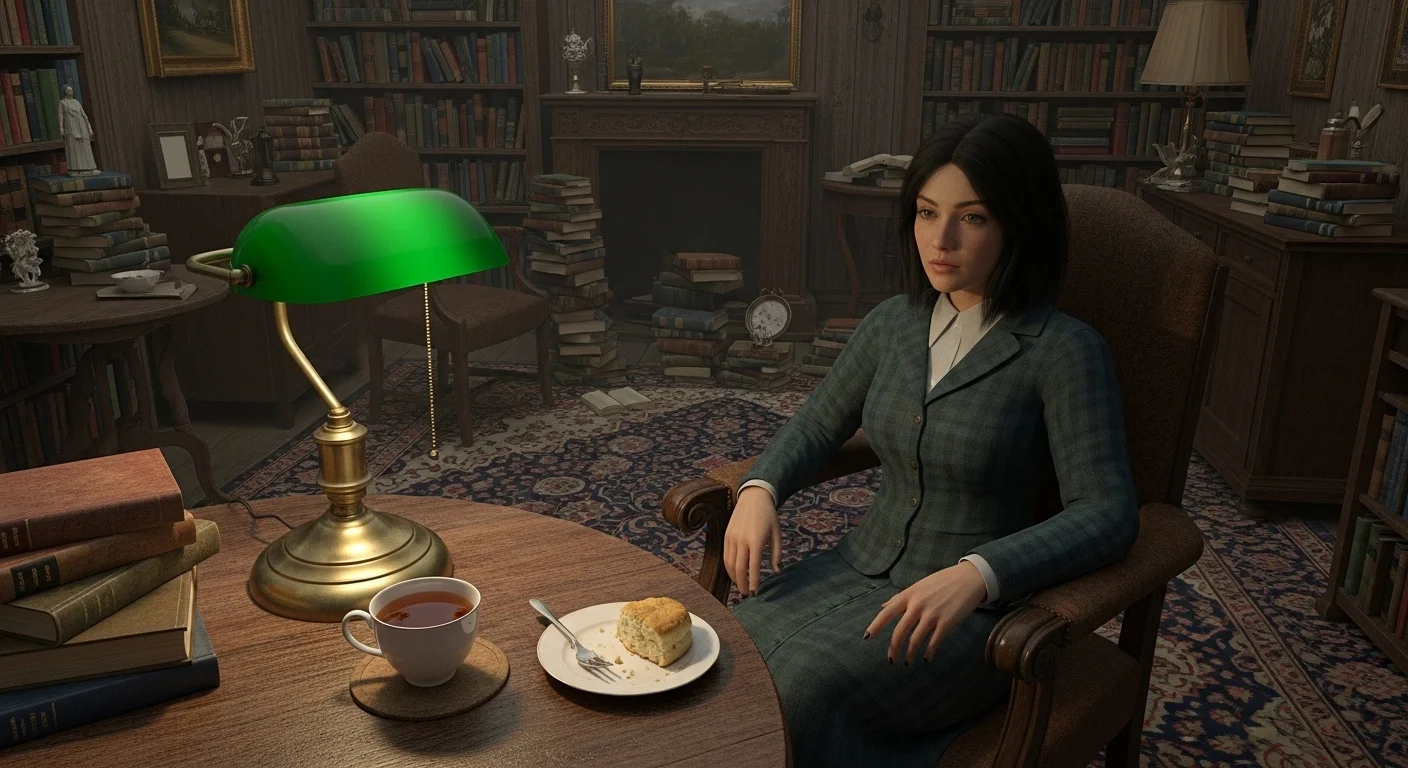
“This bread is a bit stodgy; I can’t eat much of it.”
Personality or Behavior: Boring, old-fashioned, or unimaginative.
“He’s a bit stodgy; he doesn’t enjoy new ideas.”
Writing or Ideas: Tedious or overly formal.
“The report is well-researched but rather stodgy.”
Summary:
Stodgy = heavy, boring, or unexciting depending on context.
Origin of the Word
Comes from late 18th-century English, originally describing dense or heavy food.
Later, it expanded to describe people, behavior, or ideas that feel stiff or dull.
How to Use “Stodgy” in Conversation
Everyday Examples:
Food:
“The cake is tasty but a little stodgy; maybe add more eggs next time.”
Personality:
“Don’t be so stodgy—try dancing with us!”
Writing or Speech:
“His essay is informative but stodgy; it could be more engaging.”
Tip: Often used in a slightly negative or humorous way.
Real-Life Examples
“That stodgy meeting lasted three hours with no jokes or stories.”
“Grandma’s stodgy meatloaf is filling but not very exciting.”
“He wore a stodgy suit that made him look like a librarian.”
Common Mistakes & Misunderstandings
Confusing stodgy with “sturdy” – They sound similar, but sturdy = strong or durable.
Using stodgy only for food – It can describe people, behavior, or ideas too.
Tone – Stodgy is negative, so avoid using it to compliment.
Synonyms of Stodgy
Dull
Boring
Heavy
Old-fashioned
Unimaginative
Antonyms:
Exciting
Light
Creative
Fun
Stodgy in Pop Culture
Often used in food blogs to describe dense cakes or bread.
Can appear in book or movie reviews for dull characters or plots.
Sometimes used humorously in memes to tease someone for being boring or traditional.
How to Use Stodgy Effectively
For food: Dense, heavy, filling items.
For personality: Someone resistant to change or ideas.
For writing/speech: Tedious or overly formal.
Tip: Pair with context to avoid confusion. Example:
“The stodgy presentation put everyone to sleep.”