

What Does “Pareidolia” Mean?
In simple words, pareidolia means:
Seeing familiar patterns, faces, or images in random or unclear objects
Basic definition:
Pareidolia = a psychological effect where the brain sees meaning in random shapes
It is a normal and harmless brain response.
You are not imagining things wrongly.
Your brain is simply trying to recognize patterns.
Origin and History of the Word “Pareidolia”
The word pareidolia comes from Greek:
-
Para – beside or instead
-
Eidolon – image or form
It originally meant:
-
A false image
-
An imagined form
The term became widely used in:
-
Psychology
-
Neuroscience
-
Visual perception studies
Why the Human Brain Creates Pareidolia
The human brain is designed to:
-
Recognize faces quickly
-
Detect threats
-
Identify patterns fast
This helped early humans:
-
Spot predators
-
Recognize other humans
-
Survive in danger
So today:
The brain sometimes sees faces even when they are not really there.
This is a survival instinct, not a problem.
Common Examples of Pareidolia
You see pareidolia in daily life.
Typical examples:
-
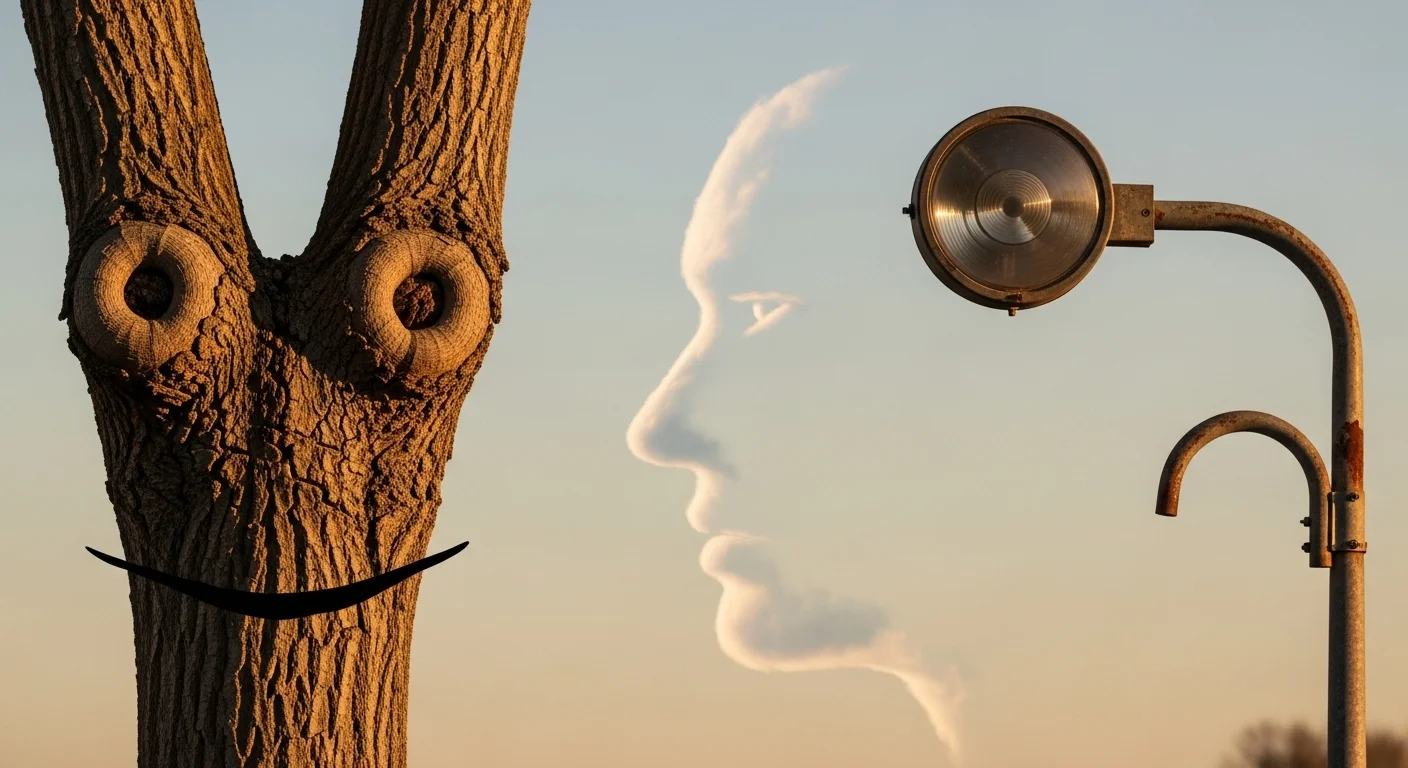
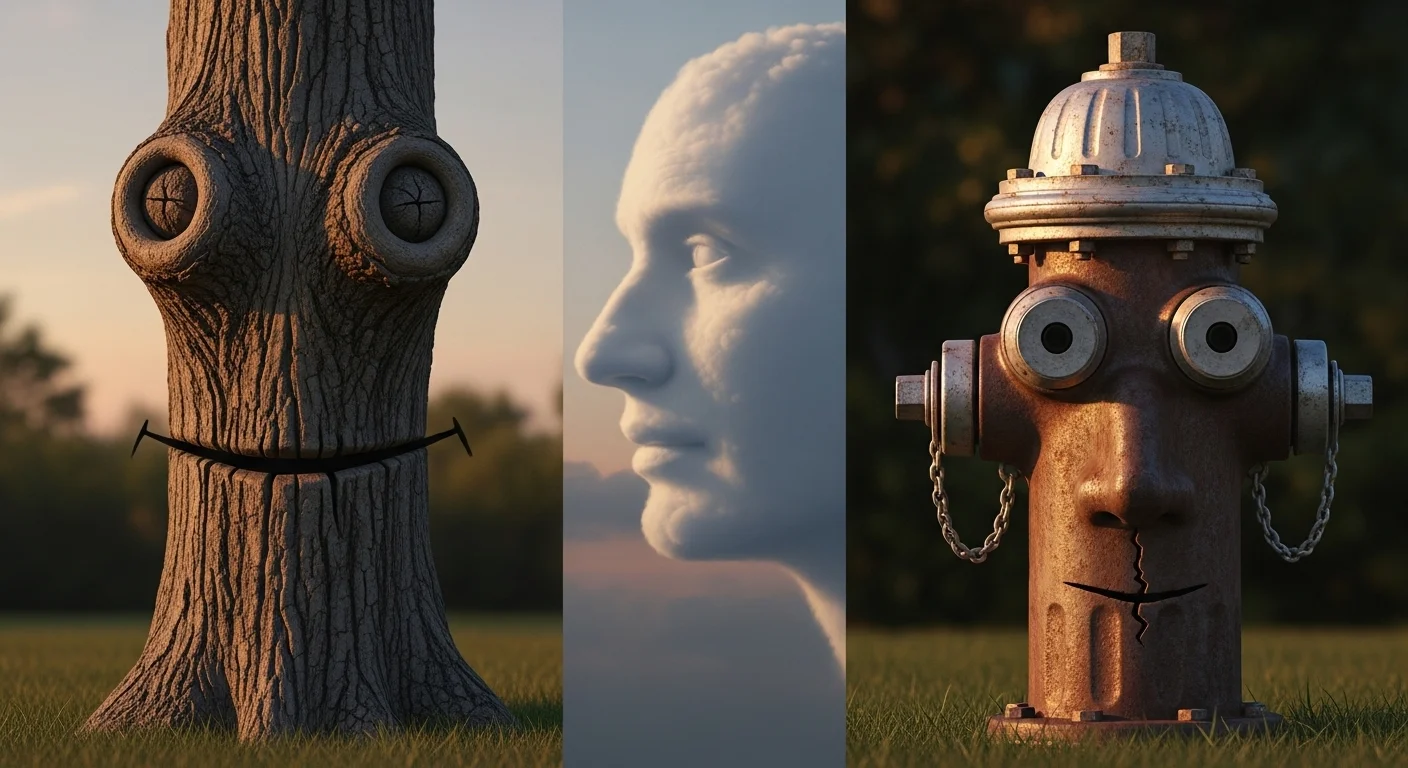
Faces in clouds
-
A face on the moon
-
Faces in tree bark
-
Smiling plugs and sockets
-
Faces on cars
-
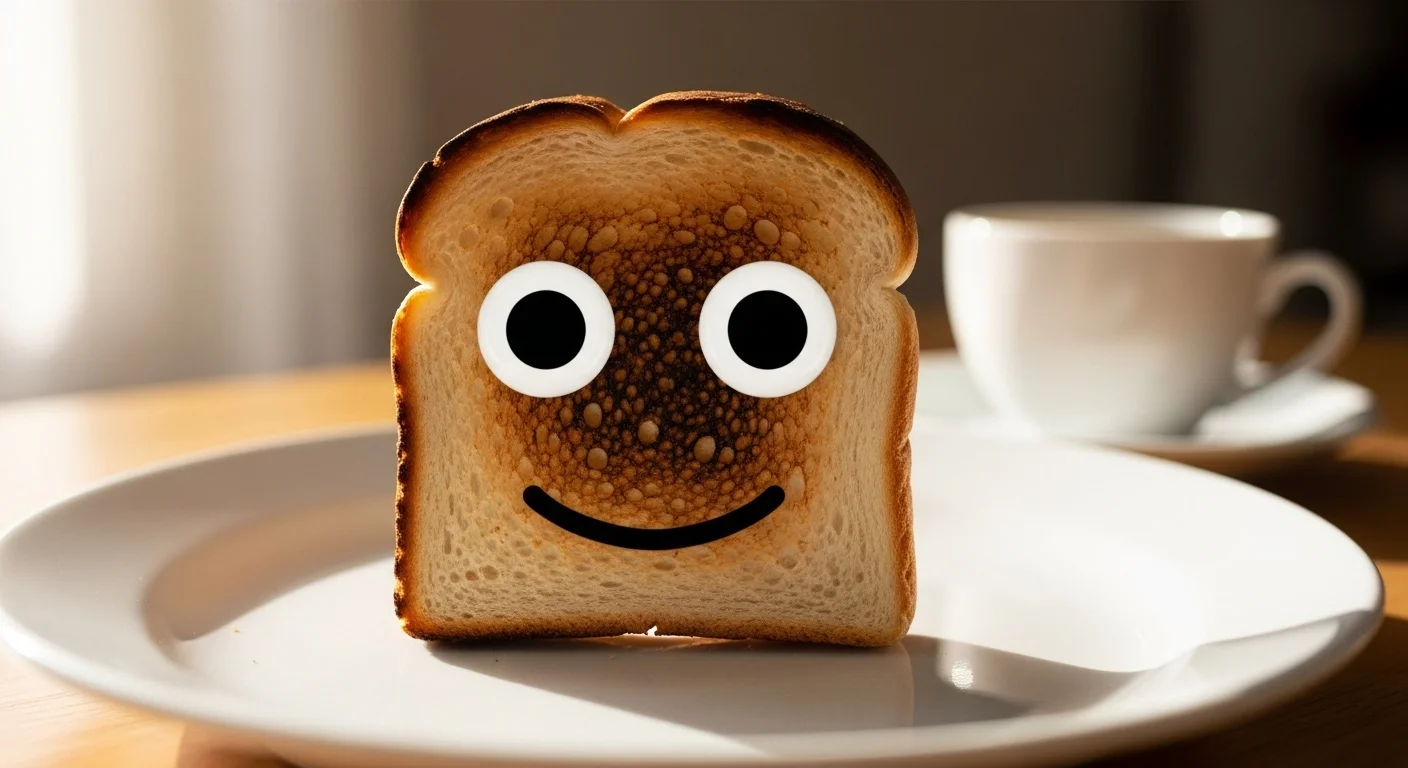
Jesus on toast
These are classic cases of pareidolia.
Pareidolia Meaning in Everyday Life
You experience pareidolia when:
-
Looking at clouds
-
Watching shadows
-
Observing stains
-
Seeing shapes in rocks
-
Noticing patterns in noise
It happens to:
-
Children
-
Adults
-
Artists
-
Scientists
Everyone experiences it at some point.
Pareidolia vs Hallucination: Key Difference
Many people confuse these two.
Pareidolia
-
Normal brain pattern recognition
-
Happens to healthy people
-
Based on real visual input
Hallucination
-
Seeing things that are not there at all
-
Often linked to illness or drugs
-
No real object involved
In short:
Pareidolia is normal. Hallucination is a medical condition.
Psychological Explanation of Pareidolia
Psychologists explain pareidolia as:
-
A top-down perception process
-
The brain fills missing information
-
The brain prefers familiar shapes
Especially:
-
Human faces
-
Eyes
-
Animals
Because face recognition is one of the brain’s strongest skills.
Pareidolia in Religion and Spirituality
Many religious or spiritual images come from pareidolia.
Examples:
-
Seeing holy figures in clouds
-
Faces in flames
-
Shapes in smoke
Some people interpret these as:
-
Signs
-
Messages
-
Spiritual experiences
Psychology explains them as natural brain responses, not proof of miracles.
Pareidolia in Art and Creativity
Artists often use pareidolia intentionally.
It helps in:
-
Abstract art
-
Surrealism
-
Creative design
-
Photography
Many famous artworks are inspired by seeing hidden forms in random patterns.
Common Mistakes & Misunderstandings
Here are frequent confusions.
Thinking Pareidolia Means Mental Illness
This is false.
Pareidolia is normal and healthy.
Confusing It with Imagination
Pareidolia is based on real visual input, not pure imagination.
Believing It Is Always Spiritual
Sometimes it is simply the brain’s pattern system at work.
When Is Pareidolia a Problem?
In most cases, pareidolia is:
-
Normal
-
Harmless
-
Temporary
It may be a concern only if:
-
It happens constantly
-
It causes fear
-
It affects daily functioning
Otherwise, it is a normal human experience.
Pareidolia Meaning in One Simple Line
To make it very clear:
Pareidolia is the brain’s tendency to see familiar shapes or faces in random patterns.