

Amygdala Meaning in Simple English
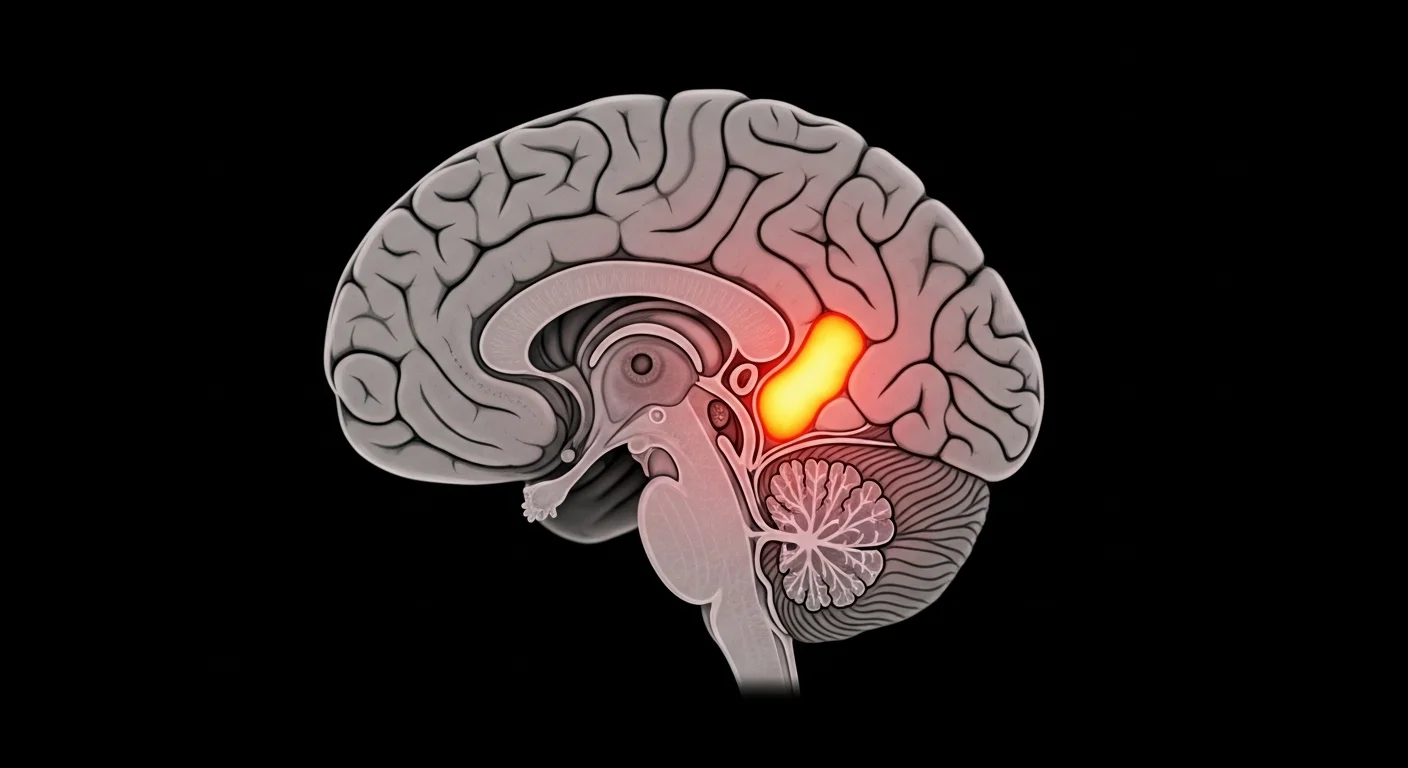
In simple words, the amygdala is a small part of the brain that controls emotions, especially fear, danger, and strong feelings.
It helps you:
-
recognize threats
-
feel fear or anger
-
react quickly to danger
-
store emotional memories
Where the Amygdala Is Located
The amygdala is located:
-
deep inside the brain
-
near the center of the head
-
as part of the limbic system
There are two amygdalas, one on each side of the brain.
Main Function of the Amygdala
The main job of the amygdala is to:
-
detect danger
-
trigger fear responses
-
prepare the body to react
-
connect emotions to memories
It works very fast, often faster than logical thinking.
Amygdala and Fear Response
The amygdala is best known for controlling fear.
When you see danger:
-
the amygdala sends alarm signals
-
your heart beats faster
-
your body prepares to fight or run
This is called the fight or flight response.
Amygdala Meaning in Psychology
In psychology, the amygdala is studied for its role in:
-
anxiety
-
phobias
-
trauma
-
emotional learning
Many mental health conditions involve the amygdala.
Amygdala and Memory
The amygdala helps:
-
store emotional memories
-
remember dangerous situations
-
connect feelings to events
This is why emotional events are easier to remember.
Amygdala and Stress
When the amygdala is overactive, it can cause:
-
high stress
-
constant fear
-
panic reactions
-
difficulty relaxing
Calming the amygdala is important for mental health.

Amygdala and Decision Making
The amygdala affects:
-
quick decisions
-
emotional reactions
-
instinctive choices
Sometimes it helps protect you, but sometimes it causes overreaction.
Amygdala vs Prefrontal Cortex
People often compare these two:
Amygdala controls emotions
Prefrontal cortex controls logic and reasoning
Healthy thinking needs balance between both.
Amygdala in Daily Life
In daily life, the amygdala is active when:
-
you feel scared suddenly
-
you react emotionally
-
you sense danger
-
you feel strong anger
It works silently in the background.
Why the Amygdala Is Important
The amygdala is important because:
-
it keeps you safe
-
helps you learn from danger
-
controls emotional survival reactions
-
protects you from threats
Without it, humans would not survive well.
Common Misunderstandings About the Amygdala
People often misunderstand the amygdala by:
-
thinking it controls all emotions
-
blaming it for every fear
-
ignoring the role of thinking brain
It works together with many brain parts.
Related Brain Terms
You may also hear:
-
hippocampus
-
limbic system
-
prefrontal cortex
-
neurotransmitters
-
nervous system
All are connected to emotions and behavior.