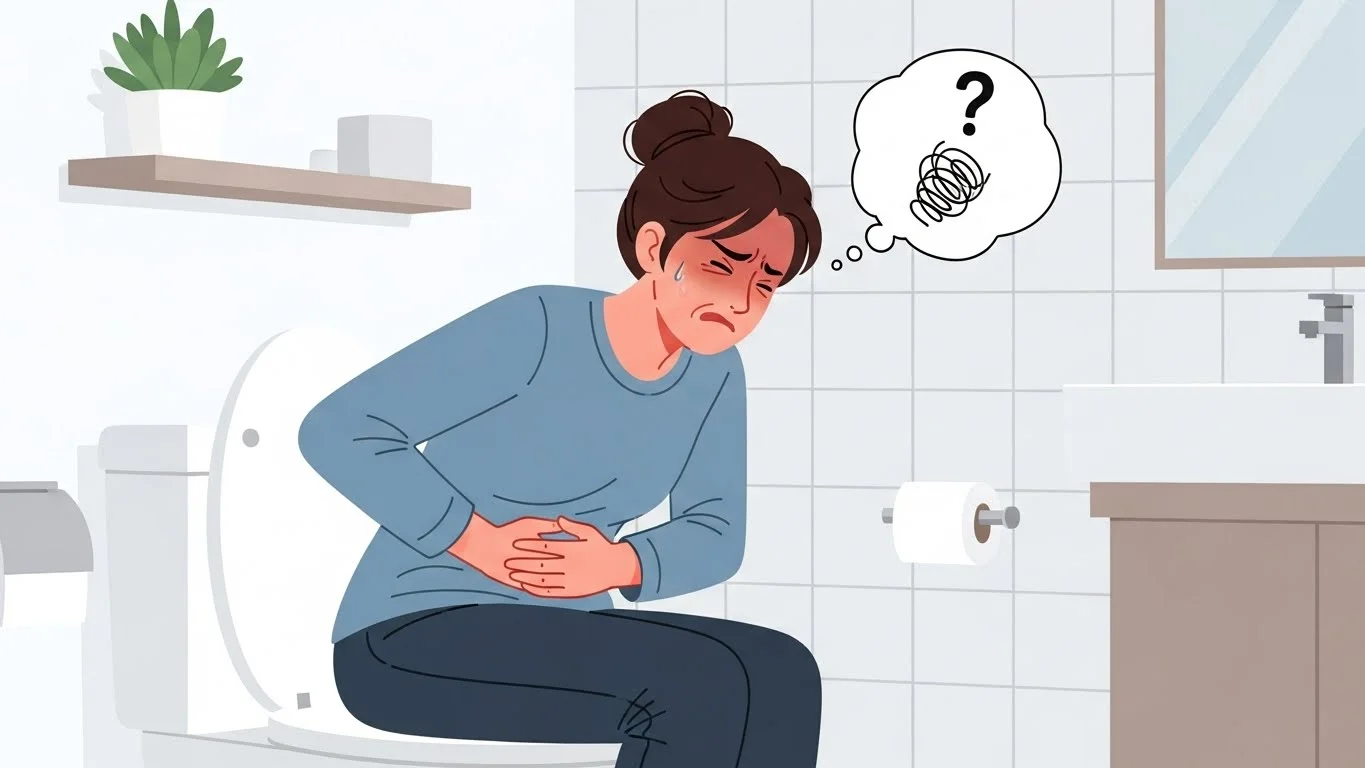

Constipated Meaning in Simple English
Constipated is an adjective that refers to a condition where:
A person has difficulty passing stool
Bowel movements are less frequent than usual
Stool may be hard, dry, and painful to pass
In short, constipated = trouble pooping or not pooping regularly.
Example:
“I feel constipated because I haven’t gone to the bathroom in two days.”
Medical Context of Constipated
In medical or health contexts, being constipated usually means:
Fewer than normal bowel movements
Hard or lumpy stools
Straining during bowel movements
Feeling like the bowel is not completely empty
It is usually temporary and common, not normally serious.
Everyday Usage of Constipated
Outside medical talk, people also use constipated informally to mean:
Feeling blocked, stuck, or slowed down mentally or emotionally
Being tense, rigid, or not expressive
Examples:
“He looked constipated during the meeting because he was so stressed.”
“The traffic was so slow, it felt constipated.”
Here, it is figurative language, not about health.
Common Causes of Being Constipated
People may become constipated because of:
Low fiber diet
Not drinking enough water
Lack of physical activity
Holding stool for too long
Stress or routine changes
Certain medications
These are everyday lifestyle causes.

Symptoms of Being Constipated
Common symptoms include:
Hard or dry stool
Straining to pass stool
Fewer bowel movements
Stomach discomfort or bloating
Feeling that the bowel is not empty
These vary from person to person.
Constipated vs Diarrhea
It helps to distinguish the two:
Constipated: Difficulty passing stool, not frequent
Diarrhea: Very frequent, loose, or watery stool
They are opposites in terms of bowel movement patterns.
Constipated in Kids and Adults
Constipation can happen to:
Children
Adults
Elderly people
It is very common in all age groups and often temporary.
Myths and Misunderstandings
Some common misunderstandings include:
Constipation always means illness — not true
You must poop every day — normal frequency varies
Only junk food causes constipation — many factors play a role
Understanding your own body pattern is important.

Everyday Examples Using Constipated
“After traveling, I got constipated.”
“I feel constipated when I don’t drink enough water.”
“He looked constipated with worry during the exam.”
These examples show both literal and figurative uses.