

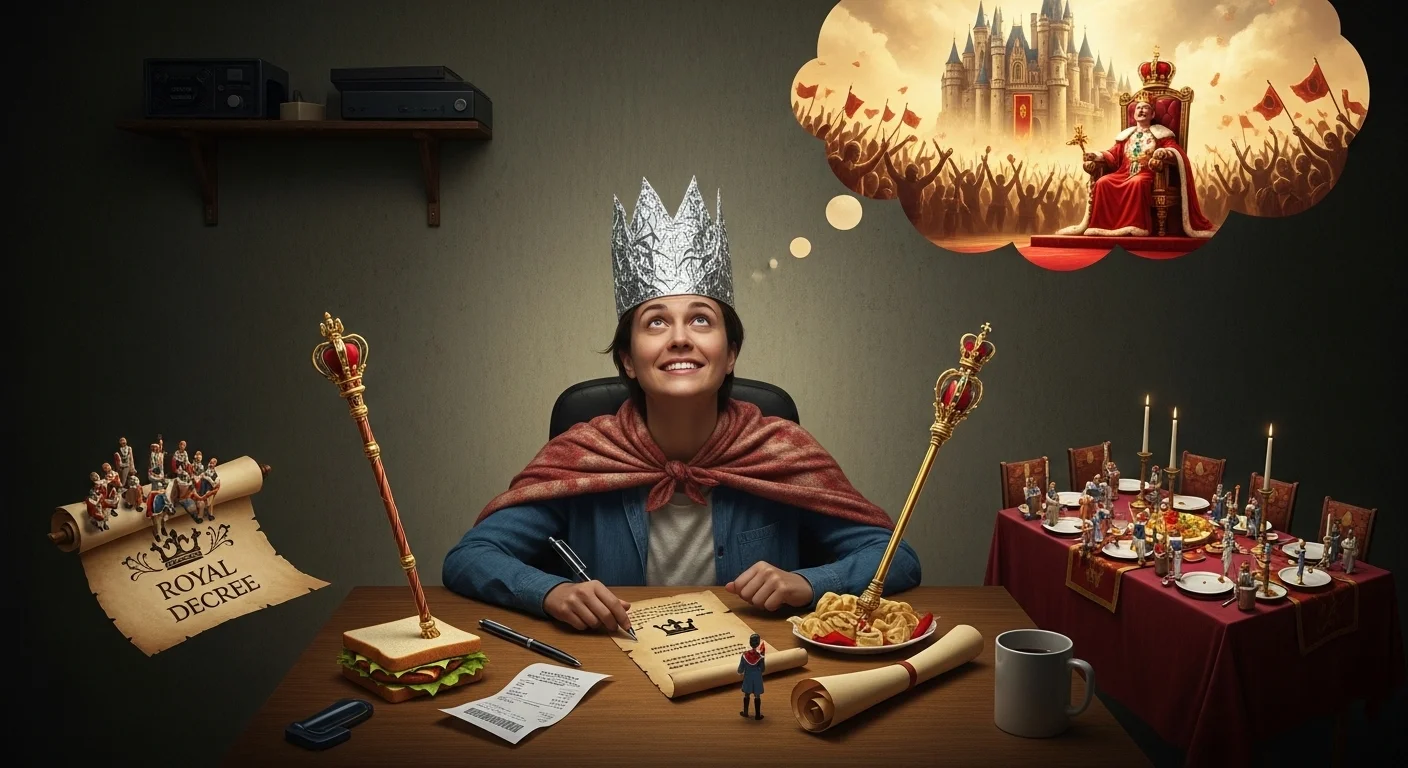
What Does Delusions of Grandeur Mean?
Delusions of grandeur are false beliefs that a person has exceptional importance, power, wealth, intelligence, or identity — despite clear evidence that this is not true.
It’s important to understand that this is not just confidence.
A delusion is a fixed belief that does not change, even when proven wrong.
The Psychological Definition
In mental health terms, delusions of grandeur are classified as a type of grandiose delusion.
They may involve beliefs such as:
-
Believing you are a famous historical figure
-
Thinking you have supernatural powers
-
Claiming to have unlimited wealth without proof
-
Believing you have a special mission to save the world
These beliefs are deeply held and not based on reality.
Where Does the Term Come From?
The phrase comes from psychology and psychiatry.
It has historically been associated with certain mental health conditions, including:
-
Bipolar disorder (during manic episodes)
-
Schizophrenia
-
Delusional disorder
However, not everyone who shows grand behavior has a mental illness. Context matters greatly.
What Is a Grandiose Delusion?
A grandiose delusion is a specific type of false belief centered around exaggerated self-importance.
For example:
-
“I am secretly the ruler of a country.”
-
“I invented technology that the government is hiding.”
These beliefs are not playful exaggerations — they are sincerely believed.
Delusions of Grandeur vs Confidence
This is one of the most common misunderstandings.
Healthy confidence means:
-
Believing in your abilities
-
Having ambition
-
Recognizing your strengths
Delusions of grandeur involve:
-
Unrealistic beliefs disconnected from reality
-
No evidence supporting the belief
-
Inability to accept contradiction
Confidence is grounded. Delusion is not.
Delusions of Grandeur vs Narcissism
People often confuse this phrase with narcissism.
Narcissistic traits may include:
-
Inflated self-importance
-
Desire for admiration
-
Lack of empathy
But narcissism does not automatically mean someone has delusions.
Delusions involve a break from reality, not just ego.
Real-Life Example of Delusions of Grandeur
Example 1:
A person insists they are a world-famous celebrity despite no recognition, proof, or history.
Example 2:
Someone claims they have supernatural healing powers and refuses medical evidence that contradicts this.
In both cases, the belief remains firm even when challenged.
How It’s Used Casually in Everyday Language
In everyday conversation, people often use the phrase loosely.
For example:
-
“He has delusions of grandeur if he thinks he’ll be CEO next year.”
-
“She has delusions of grandeur about her startup.”
In casual speech, it usually means:
“Unrealistic self-belief” or “overconfidence.”
However, this casual usage is not the same as the clinical definition.

Mental Health Conditions Associated with Grandiose Delusions
Grandiose delusions may appear in:
Bipolar Disorder
During manic episodes, a person may feel invincible or believe they have extraordinary abilities.
Schizophrenia
Delusions can be part of broader psychotic symptoms.
Delusional Disorder
Where a person has one or more persistent delusions without other major symptoms.
Only a licensed professional can diagnose these conditions.
Why Do Delusions of Grandeur Happen?
Possible causes may include:
-
Brain chemistry imbalances
-
Genetic factors
-
Severe stress
-
Trauma
-
Substance use
The exact cause varies from person to person.
Signs Someone May Be Experiencing Grandiose Delusions
Some signs can include:
-
Unrealistic claims about power or identity
-
Ignoring clear evidence
-
Extreme overestimation of abilities
-
Strong emotional reactions when challenged
Again, professional evaluation is essential before drawing conclusions.
Can Delusions of Grandeur Be Treated?
Yes.
Treatment may include:
-
Therapy
-
Medication
-
Ongoing mental health support
With proper care, many people manage symptoms successfully.
The Difference Between Dreams and Delusions
It’s healthy to dream big.
For example:
“I want to become a billionaire entrepreneur.”
That is ambition.
It becomes a delusion if someone believes:
“I am already the richest person alive,” despite evidence to the contrary.
The key difference is reality.
Social Media and the Illusion of Grandeur
In modern times, social media can sometimes blur lines.
Online platforms can amplify:
-
Exaggerated personas
-
Inflated self-presentation
-
Unrealistic self-branding
However, this is usually performance — not clinical delusion.
Why the Phrase Can Be Misused
Calling someone’s ambition “delusions of grandeur” can be dismissive.
It may:
-
Undermine confidence
-
Mislabel normal ambition
-
Stigmatize mental health conditions
The phrase should be used carefully.
Is It Offensive to Use the Phrase?
It can be, depending on context.
Because it relates to mental health, using it as an insult may be insensitive.
It’s better to describe behavior specifically rather than label someone.
Historical Context of the Term
The concept of grandiosity has been discussed in psychiatry since the 19th century.
Early mental health professionals used it to describe severe cases involving fixed false beliefs.
Today, diagnostic criteria are more structured and evidence-based.
How Professionals Identify Delusions
Mental health professionals evaluate:
-
Duration of belief
-
Evidence contradicting the belief
-
Impact on daily functioning
-
Presence of other symptoms
Diagnosis is never based on one comment or personality trait.
Why Understanding This Term Matters
Understanding the real meaning helps:
-
Reduce stigma
-
Prevent misuse
-
Support mental health awareness
-
Avoid confusing ambition with illness
Words related to psychology should be used responsibly.