
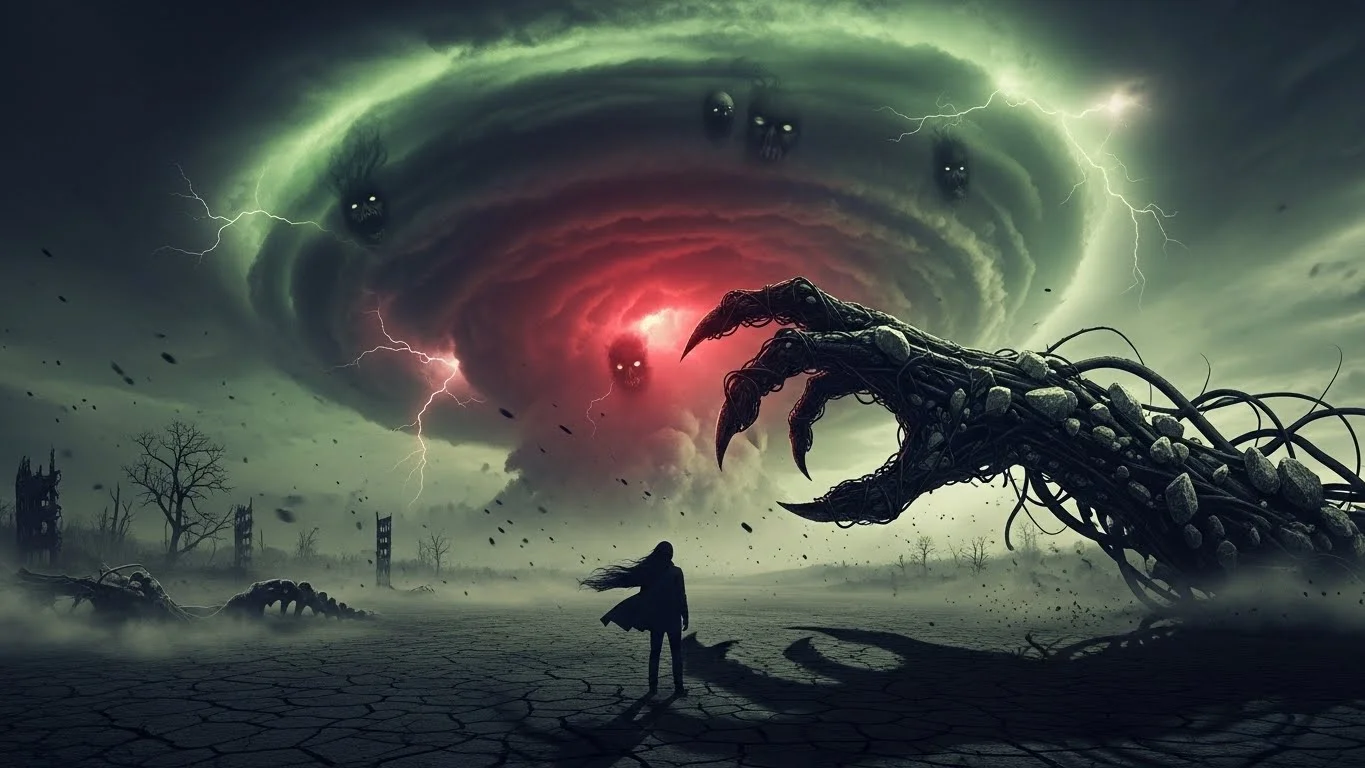

What Does Impending Doom Mean?
Impending doom refers to a strong sense that something bad, dangerous, or catastrophic is about to happen.
In simple words:
Impending doom = feeling that disaster is coming soon
It is usually used to describe fear, anxiety, or anticipation of trouble.
Impending Doom Meaning in Simple English
Impending = about to happen soon
Doom = destruction, failure, or catastrophe
Put together:
Impending doom = an upcoming disaster or very bad event
Emotional Context of Impending Doom
People often use this phrase to express:
Anxiety or worry about the future
Fear of a negative outcome
A sense of helplessness
For example, watching dark clouds before a storm may give someone a feeling of impending doom.
Examples of Impending Doom in Sentences
“He felt a sense of impending doom as the company announced layoffs.”
“The movie creates a constant feeling of impending doom that keeps the audience tense.”
“She ignored the emails at first, but the impending doom of the deadline stressed her out.”
Each example shows fear or anticipation of something bad happening.

Impending Doom in Literature and Media
Authors and filmmakers use the phrase to:
Build suspense
Create tension
Describe a character’s fear
It’s commonly found in:
Horror stories
Thrillers
Dramatic novels
News reporting during crises
Common Misunderstandings About Impending Doom
It does not mean something is actually happening yet. It’s anticipation, not reality.
It is not always literal; it can be figurative. For example, “impending doom” about a bad exam result.
Feeling impending doom doesn’t always mean something catastrophic will happen.
Synonyms for Impending Doom
Looming disaster
Approaching catastrophe
Threat
Foreboding
Menace
These words are often interchangeable depending on context.
Opposite of Impending Doom
Hope
Optimism
Safety
Relief
Understanding the opposite helps convey mood more accurately in writing.

Why People Use “Impending Doom” in 2025
To describe stressful situations
To express anxiety online or in texts
To create dramatic effect in writing or memes
To describe global or personal crises
It’s often used figuratively in social media posts about exams, deadlines, or trending news.