
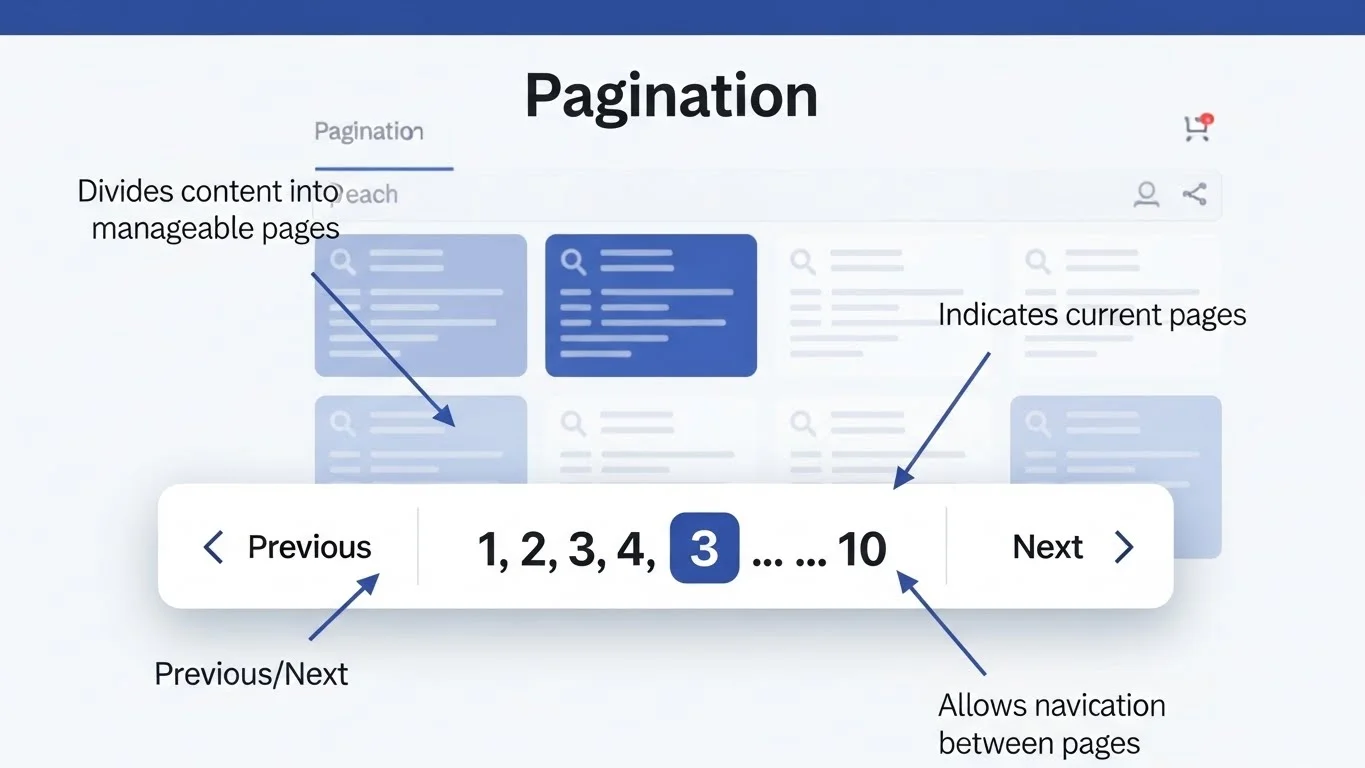
Pagination Meaning in Simple Words
Pagination = breaking content into pages
It improves readability, speed, and navigation
Common on websites, apps, PDFs, and search engines
Origin of the Word Pagination
The word pagination comes from the Latin word pagina, meaning “page.”
Originally, it referred to numbering pages in books. Today, it’s widely used in web design, SEO, apps, and digital content.
What Does Pagination Mean in Websites and Online Content?
In modern digital usage, pagination in websites means showing a limited number of items per page instead of loading everything at once.
For example:
A blog might show 10 posts per page
An online store might show 20 products per page
Google search shows 10 results per page
This is done to:
Improve loading speed
Avoid overwhelming users
Make content easier to find
Pagination is especially important for large websites with hundreds or thousands of pages.
How Pagination Is Used in Real Life
You see pagination every day — even if you don’t realize it.
Common Places Where Pagination Is Used
Blogs and news websites
Online shopping stores
Search engines (like Google)
Forums and comment sections
Data tables and reports
PDF documents and ebooks
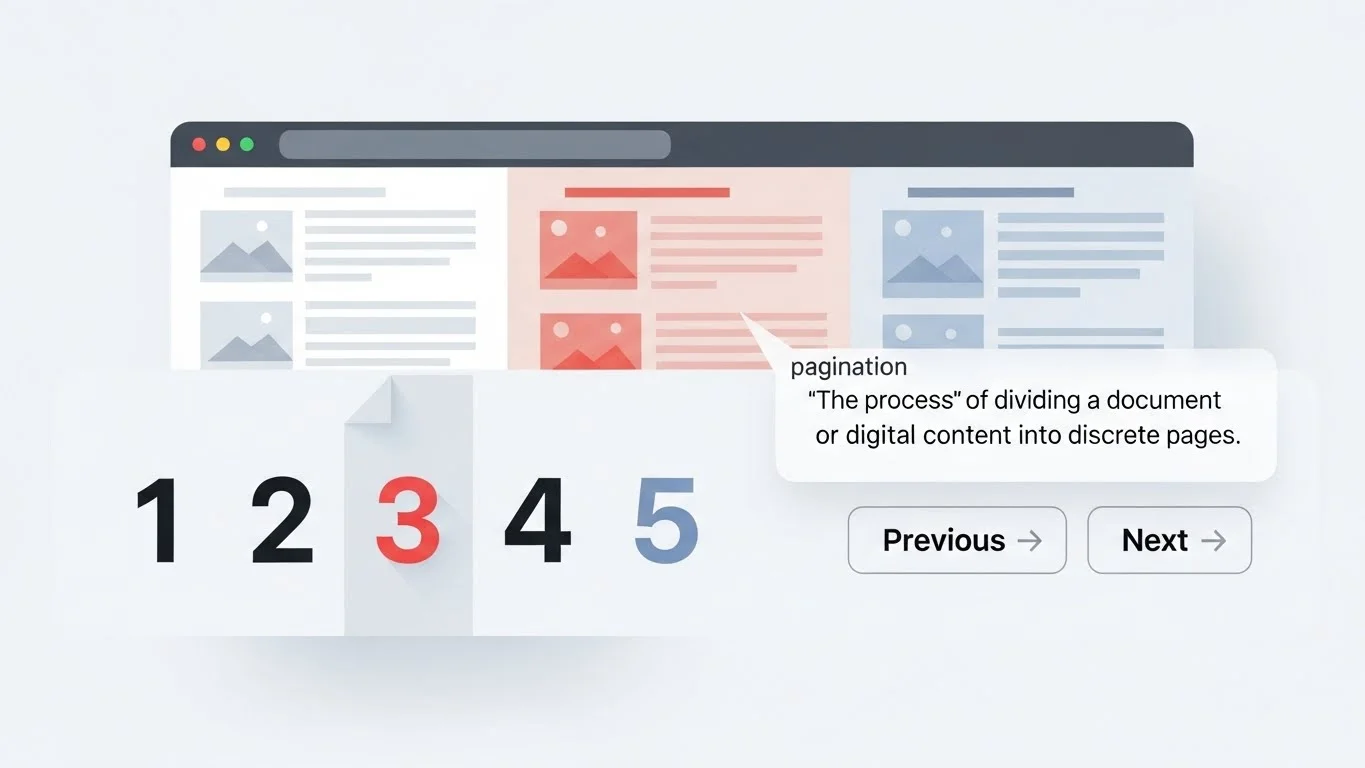
Pagination vs Infinite Scroll
Many people confuse pagination with infinite scrolling. Here’s the difference:
Pagination: Click page numbers or “Next”
Infinite scroll: Content loads automatically as you scroll
Both are used today, but pagination is still preferred for:
SEO
Structured content
User control
How People Use the Term “Pagination” in Conversations
Unlike slang terms, pagination is a technical word, mostly used in:
Web development
SEO discussions
UI/UX design
Content management systems (like WordPress)
Casual Usage Examples
“We need pagination because the page is too long.”
“Google prefers proper pagination for SEO.”
“Add pagination to the product listing.”
While not common in texting slang, the term is widely used in professional and online discussions.
Real-Life Examples of Pagination (With Explanations)
Here are simple, relatable examples to make pagination crystal clear.
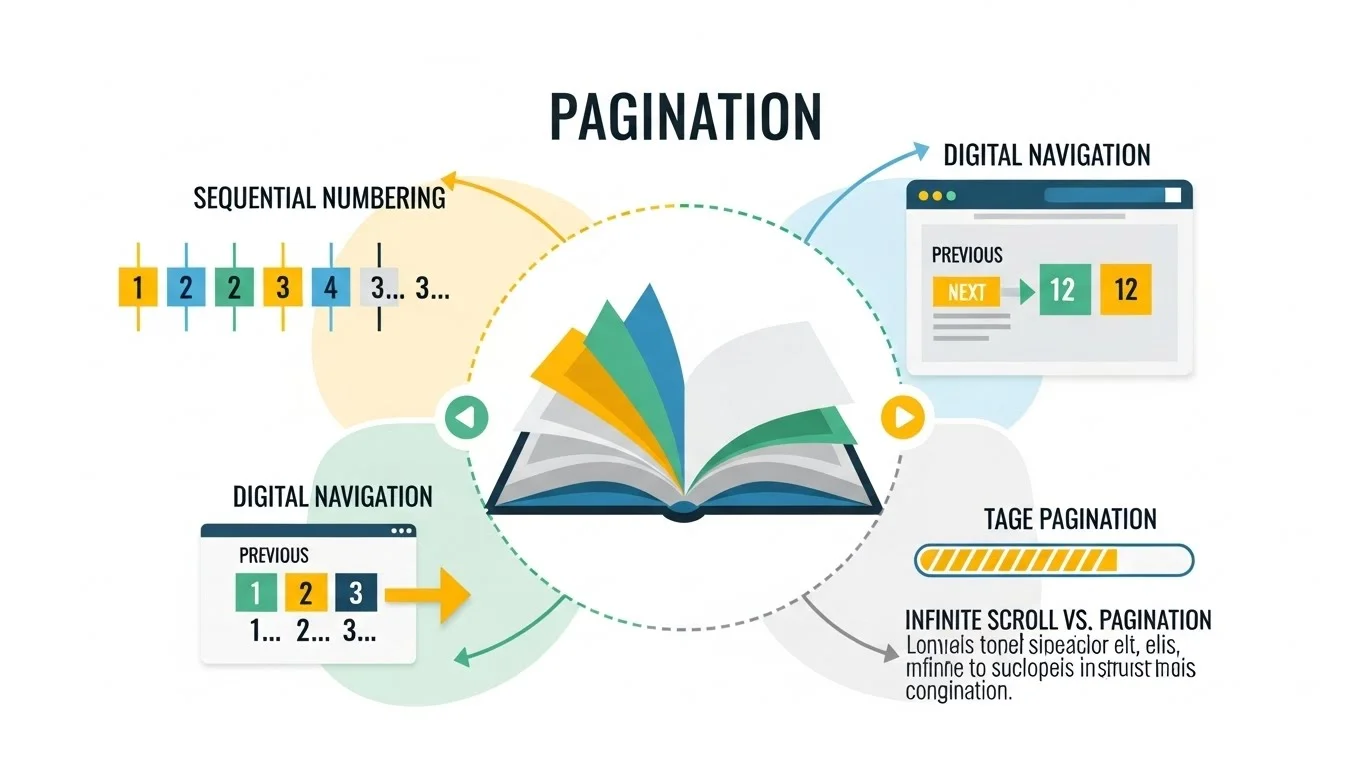
Example 1: Blog Website
You visit a blog and see 10 posts. At the bottom, it says:
Page 1 | Page 2 | Page 3 | Next
Explanation:
The blog uses pagination so readers can browse older posts easily.
Example 2: Online Store
An online store shows 24 products, then buttons like:
Previous | 1 | 2 | 3 | Next
Explanation:
Pagination helps shoppers explore products without slowing the website.
Example 3: Google Search Results
You search for something on Google and see:
Page 1 of 12
Explanation:
Google uses pagination to organize millions of search results.
Example 4: PDF or Ebook
A PDF document shows:
Page 5 of 120
Explanation:
This is traditional pagination, showing page numbers in documents.
Why Pagination Is Important (Especially in 2026)
Pagination isn’t just about looks — it plays a big role in performance and usability.
Key Benefits of Pagination
Faster page loading
Better user experience
Easier navigation
Cleaner design
Improved SEO structure
For large websites, pagination helps search engines crawl content more efficiently.
Common Mistakes & Misunderstandings About Pagination
Many beginners misunderstand pagination. Let’s clear that up.
Mistake 1: Thinking Pagination Is the Same as Scrolling
Pagination requires user action (clicking pages).
Scrolling just loads content continuously.
Mistake 2: Believing Pagination Is Outdated
Some think pagination is old-fashioned. In reality:
Pagination is still widely used
Especially important for SEO and structured content
Mistake 3: Poor Pagination Design
Bad pagination includes:
No “Next” button
Too many page numbers
Confusing navigation
Good pagination is simple and intuitive.
Pagination Meaning in SEO (Beginner Friendly)
In SEO, pagination helps organize large sets of content so search engines understand site structure.
Why Pagination Matters for SEO
Helps search engines crawl deeper pages
Prevents duplicate content issues
Improves internal linking
Enhances user engagement
Search engines like Google prefer clear, logical pagination over cluttered layouts.
Related Terms & Concepts (You Might See These)
Here are some terms often connected to pagination:
Infinite Scroll – Content loads continuously
Page Numbers – Numeric navigation
Load More Button – Hybrid between scroll and pagination
Canonical Tags – SEO signals for paginated pages
UX/UI Design – User experience and interface design
These are commonly discussed alongside pagination meaning in chat, SEO, and web design.