
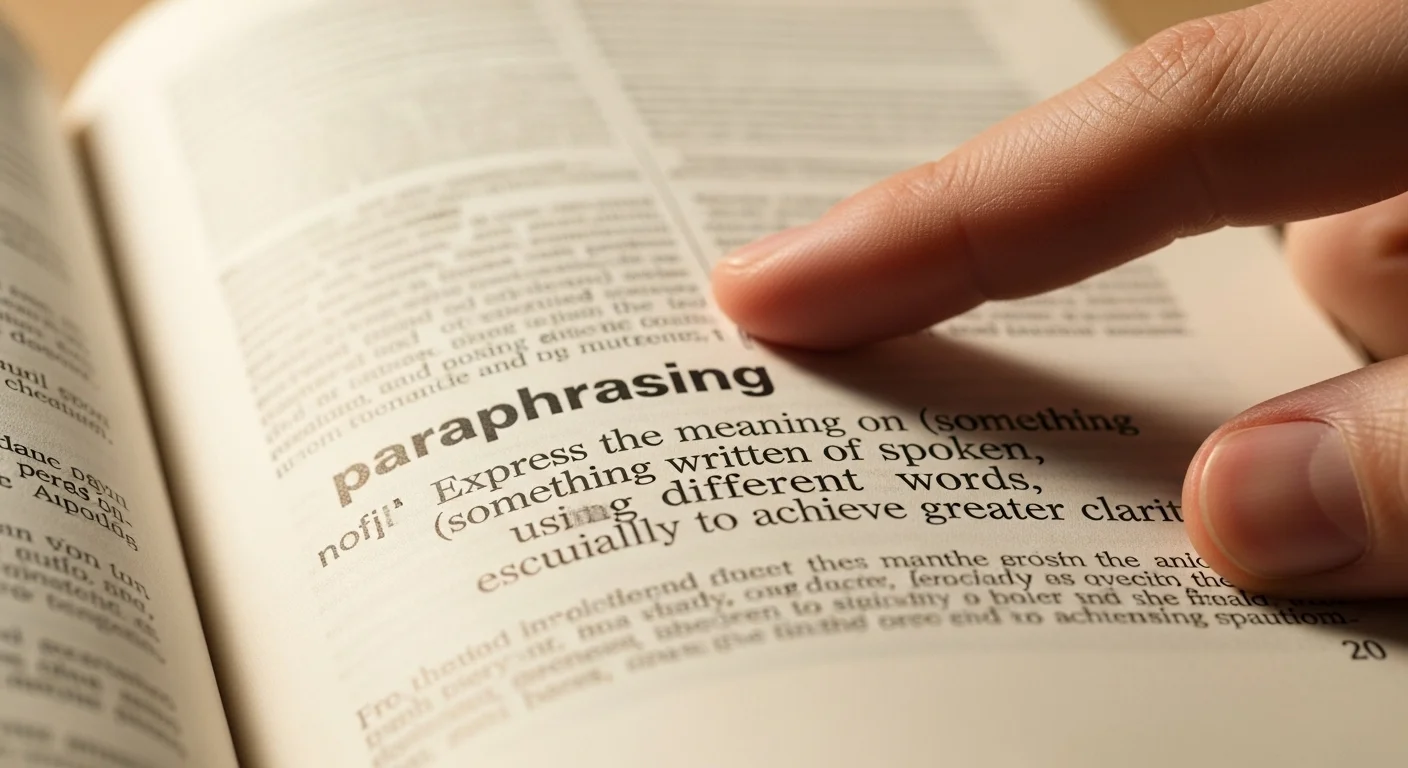
What Does “Paraphrasing” Mean?
In simple words, paraphrasing means:
Restating someone else’s idea in your own words without changing the original meaning
Basic definition:
Paraphrasing = rewriting a sentence or text using different words while keeping the same meaning
It is not copying.
It is not summarizing.
It is rewriting with understanding.
Origin and Basic Idea of Paraphrasing
The word paraphrase comes from:
-
Greek: paraphrasis
-
Meaning: to explain in other words
The main purpose has always been:
-
To make meaning clearer
-
To show understanding
-
To adapt language for a new audience
Paraphrasing is used in:
-
Education
-
Research
-
Journalism
-
Content writing
-
Translation
Why Paraphrasing Is Important
Paraphrasing plays a key role in good communication.
It helps you:
-
Avoid plagiarism
-
Show real understanding
-
Improve writing quality
-
Adapt complex ideas
-
Write in your own style
In academic writing, paraphrasing is essential for:
-
Essays
-
Assignments
-
Research papers
-
Reports
Paraphrasing vs Quoting vs Summarizing
These three are often confused.
Paraphrasing
-
Rewrite in your own words
-
Keep same length and meaning
Quoting
-
Use exact original words
-
Put in quotation marks
Summarizing
-
Shorten the main idea
-
Focus only on key points
In short:
Paraphrasing rewrites, quoting copies, summarizing shortens.
How Paraphrasing Works
The basic steps of paraphrasing are:
-
Read the original text carefully
-
Understand the meaning fully
-
Change vocabulary
-
Change sentence structure
-
Keep the same message
Good paraphrasing means:
-
No copying
-
No loss of meaning
-
Natural new wording
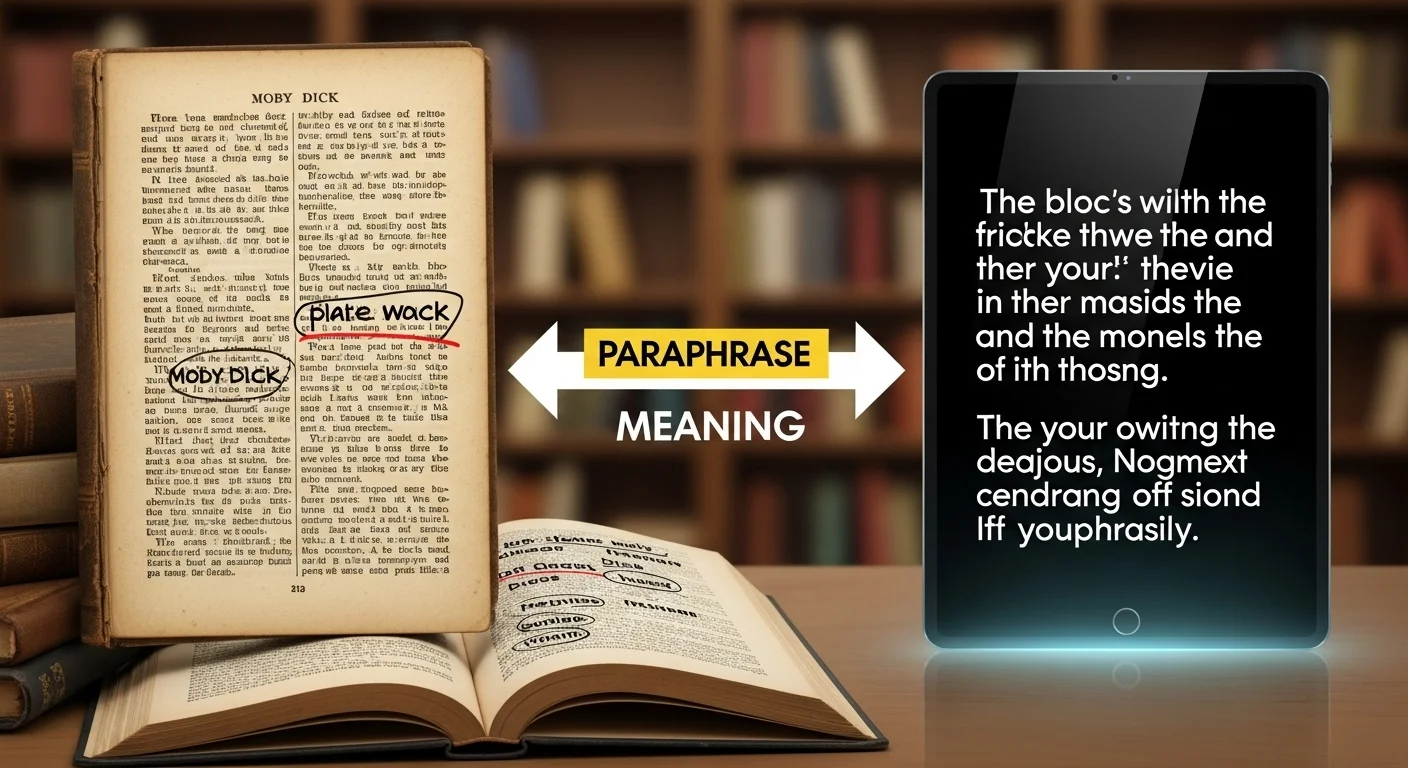
Real-Life Examples of Paraphrasing
Here are simple examples.
Original sentence
Online learning has become very popular in recent years.
Paraphrased version
In recent years, many people have started using online education widely.
Original sentence
Exercise improves both physical and mental health.
Paraphrased version
Physical activity helps improve the body and the mind.
Paraphrasing Meaning in Academic Writing
In schools and universities, paraphrasing is used to:
-
Explain sources in your own words
-
Support your arguments
-
Avoid direct copying
-
Show critical thinking
Teachers expect students to:
-
Paraphrase correctly
-
Still give proper citations
-
Maintain original meaning
Common Mistakes in Paraphrasing
Many learners make these errors.
Changing Only a Few Words
This is not real paraphrasing.
It is called patch writing.
Changing Meaning by Mistake
Bad paraphrasing can:
-
Distort the idea
-
Give wrong information
-
Misrepresent the author
Forgetting to Cite the Source
Even when you paraphrase, you must:
-
Mention the original author
-
Give proper reference
How to Paraphrase Correctly
Here are practical tips.
-
Read and understand first
-
Do not look at the text while rewriting
-
Use your natural writing style
-
Change sentence order
-
Replace key vocabulary carefully
-
Compare with the original
Good paraphrasing sounds natural and original.
Paraphrasing in Daily Life
Paraphrasing is not only for school.
You use it when:
-
Explaining news to a friend
-
Retelling a story
-
Teaching someone
-
Writing social media posts
-
Translating ideas
It is a basic communication skill.
Tools and Technology for Paraphrasing
Today, many tools help with paraphrasing:
-
Online paraphrasing tools
-
Grammar checkers
-
Writing assistants
But remember:
Tools can help, but understanding is more important than software.
Paraphrasing Meaning in One Simple Line
To make it very clear:
Paraphrasing means expressing someone else’s idea in your own words without changing its original meaning.