

Rucking meaning in simple English
Rucking means walking while carrying weight in a backpack.
It is like normal walking or hiking, but you add extra weight for more strength and endurance training.
The backpack used for this purpose is often called a ruck or rucksack.
Origin of the word rucking
The word comes from military culture.
Soldiers carry heavy backpacks called rucksacks during training or missions. Walking long distances with this backpack became known as rucking.
Rucking in fitness and exercise
In modern fitness, rucking is a workout where you:
-
wear a backpack
-
add weight such as plates, sandbags, or books
-
walk outdoors or on a treadmill
It is considered a low-impact cardio and strength exercise.
Rucking in the military
Rucking is a major part of army, navy, and special forces training around the world.
Soldiers ruck to build:
-
stamina
-
leg strength
-
back and shoulder strength
-
mental toughness
It prepares them for carrying equipment during missions.
Rucking versus walking
Walking means moving without added weight.
Rucking means walking with extra weight in a backpack.
Rucking burns more calories, builds more strength, and increases difficulty compared to normal walking.
Rucking versus running
Running is faster and higher impact on knees and joints.
Rucking is slower but involves resistance through weight.
Many people prefer rucking because it is easier on the joints while still giving strong fitness results.
How rucking is done
Basic rucking involves:
-
choosing a comfortable backpack
-
adding safe weight
-
walking for a set time or distance
People ruck in parks, hiking trails, city streets, gyms, or even at home on treadmills.
Benefits of rucking
Common benefits of rucking include:
-
increased calorie burn
-
improved posture and core strength
-
stronger legs and back
-
better cardiovascular health
-
simple and low-cost exercise
-
stress relief through outdoor movement
It combines strength training and cardio in one activity.
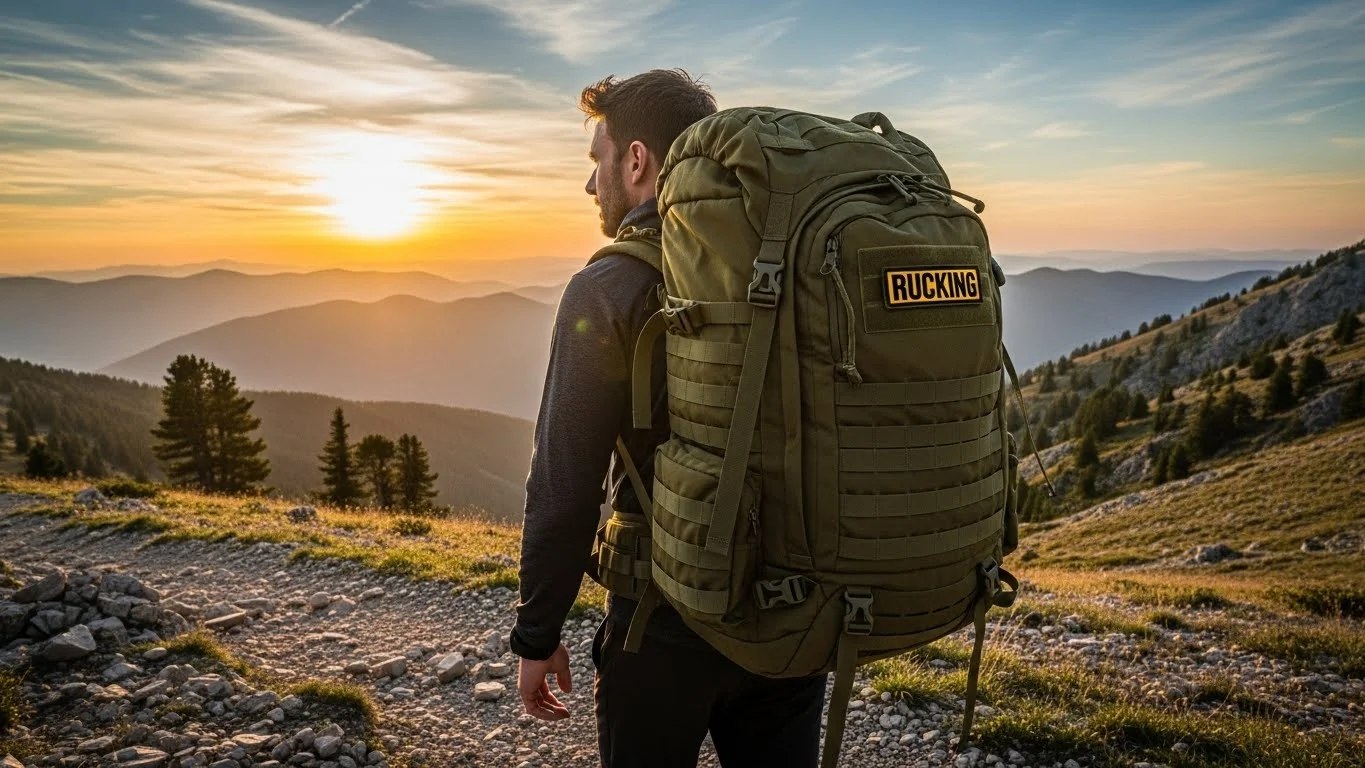
Rucking equipment
To start rucking, most people use:
-
a strong backpack or rucksack
-
weight plates, dumbbells, books, or sandbags
-
comfortable walking shoes
-
water bottle
-
optional weighted vest
Special rucking backpacks also exist but are not required for beginners.
Rucking in sports like rugby
In rugby, rucking has another meaning.
A ruck happens when players are on their feet over the ball after a tackle, trying to win possession.
So in rugby, rucking relates to contesting the ball, not carrying weight.
Rucking for beginners
Beginners usually start light and slowly increase difficulty. Common beginner steps include:
-
start with light weight
-
walk short distances
-
increase weight gradually
-
keep proper posture
-
avoid rushing
Listening to your body is important.
Safety tips in rucking
To stay safe while rucking:
-
do not start with very heavy weight
-
use a backpack with padding
-
warm up before walking
-
keep your back straight
-
stop if you feel sharp pain
Rucking should challenge you but should not injure you.
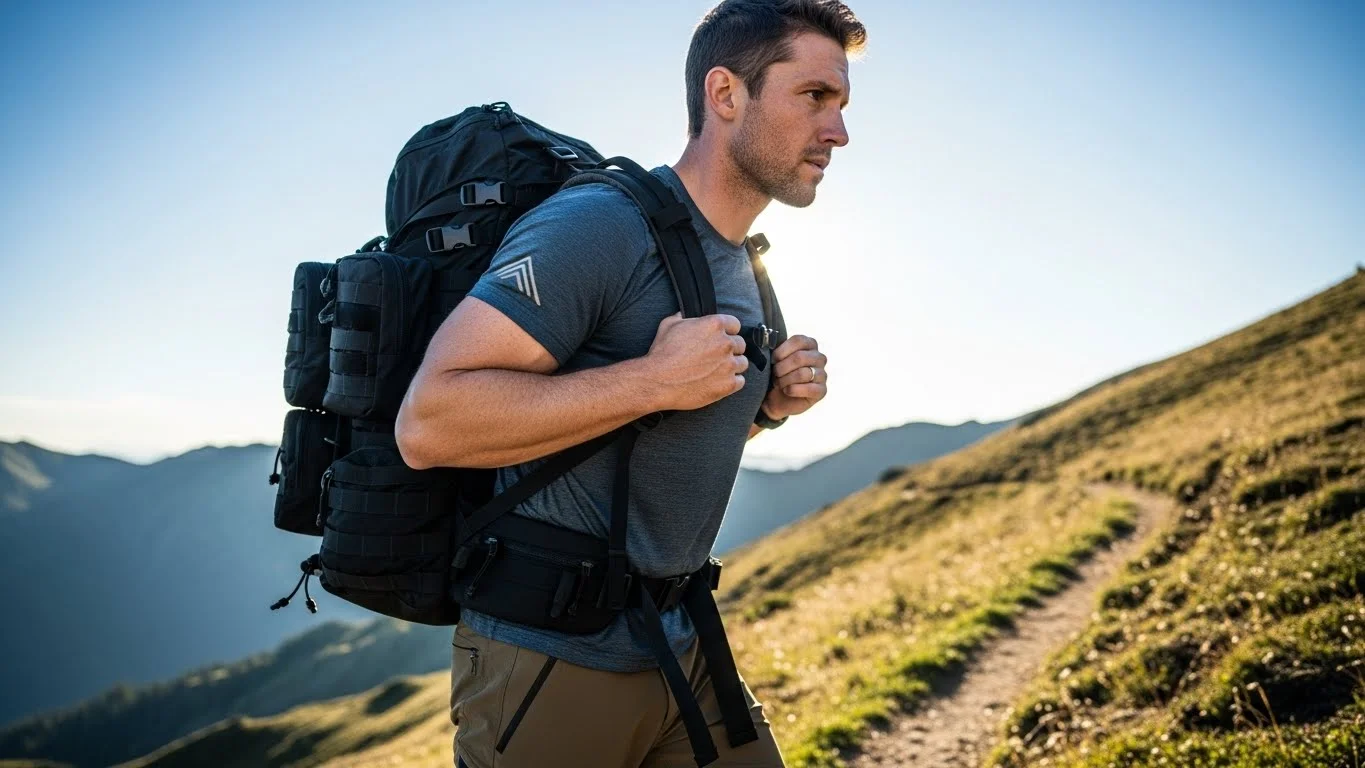
Rucking as a lifestyle activity
Many people make rucking part of daily life.
They ruck while:
-
walking dogs
-
going to work or school
-
hiking with friends
-
completing fitness challenges
It is flexible and easy to fit into routine.