Sweat Equity Meaning
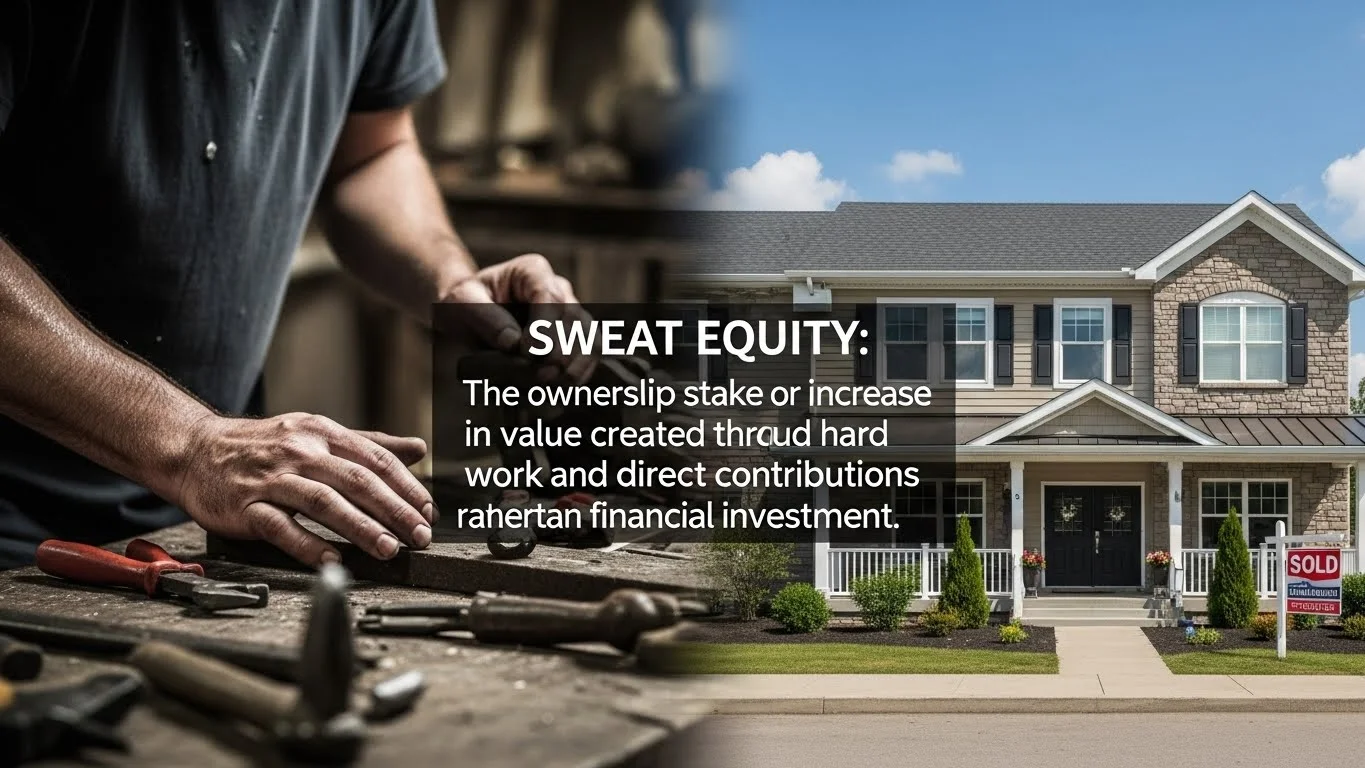
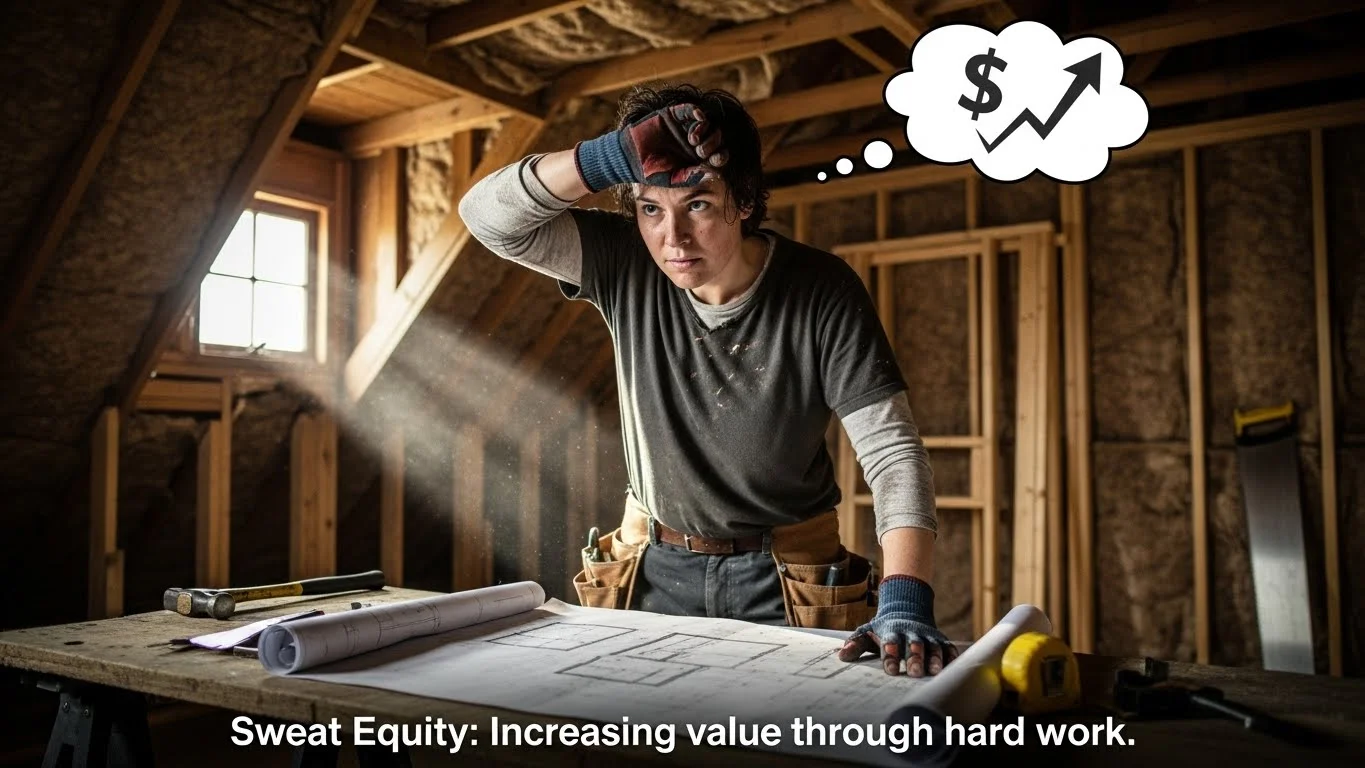
Sweat equity refers to the value a person adds through their work, effort, skills, or time instead of money.
In simple words:
You invest effort, not cash
Your hard work becomes your ownership or value
Example:
If someone helps build a business from scratch without salary but later gets shares, that contribution is called sweat equity.
How Sweat Equity Works
Sweat equity usually works when:
Someone contributes time, labor, or expertise
Instead of being paid immediately, they earn ownership, shares, or future benefits
The value grows as the project or business grows
It’s common in startups, partnerships, and small businesses where cash is limited.
Sweat Equity in Startups
In startup culture, sweat equity is very common:
Founders work long hours without pay
Early team members accept low or no salary
In return, they receive equity (ownership shares)
Example:
A developer builds an app for a startup and gets 10% ownership instead of upfront payment. That 10% is sweat equity.
Sweat Equity in Real Estate
In real estate, sweat equity means:
Improving a property through repairs or renovations
Increasing the property’s value without hiring professionals
Examples:
Painting walls yourself
Fixing floors, kitchens, or gardens
Remodeling a house before selling
The increase in property value due to your work is your sweat equity.

Sweat Equity in Business and Partnerships
In partnerships, sweat equity helps balance contributions:
One partner invests money
Another partner invests skills, management, or labor
Both contributions are considered valuable, even if one is not cash-based.
Example:
One partner funds a café, another runs daily operations. The operator’s effort is sweat equity.
Sweat Equity vs Financial Investment
The main difference is:
Financial investment: You put in money
Sweat equity: You put in effort and time
Both carry risk, but sweat equity often involves long-term commitment and personal sacrifice rather than cash.
Advantages of Sweat Equity
Sweat equity offers several benefits:
Allows people with limited money to build ownership
Encourages commitment and loyalty
Reduces startup and business costs
Rewards skills, creativity, and persistence
It’s especially helpful for young entrepreneurs and creators.
Risks and Challenges of Sweat Equity
Despite its benefits, sweat equity has risks:
No guaranteed return
Time and effort may go unpaid if the project fails
Ownership terms may be unclear
Can lead to disputes if expectations are not defined
Clear agreements are important to protect everyone involved.

Real-Life Examples of Sweat Equity
A startup founder working unpaid for two years
A homeowner renovating their own house
A designer branding a company in exchange for shares
A family business run by relatives without salaries
All of these involve effort being converted into value.