
What Does “Parousia” Mean?
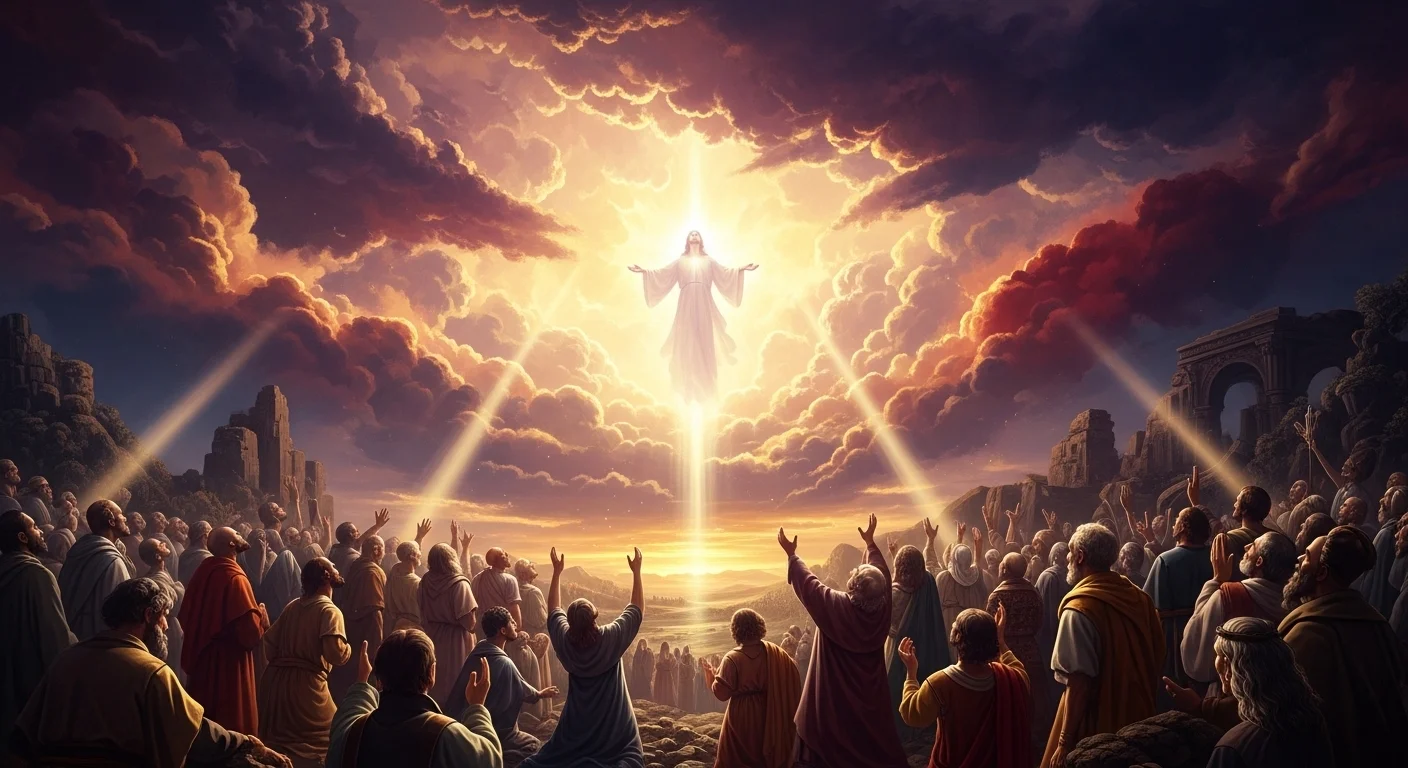
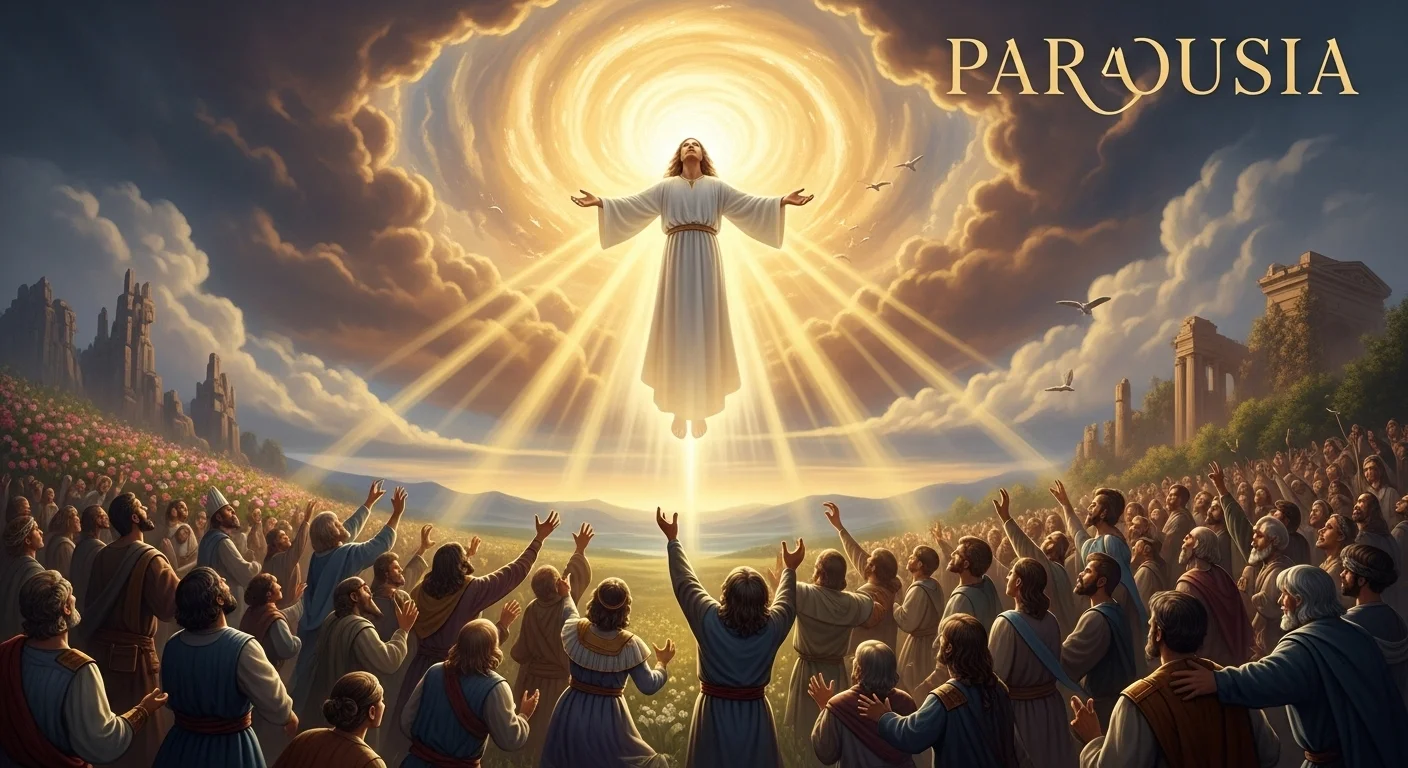
Parousia is a Greek word that literally means “presence” or “coming”.
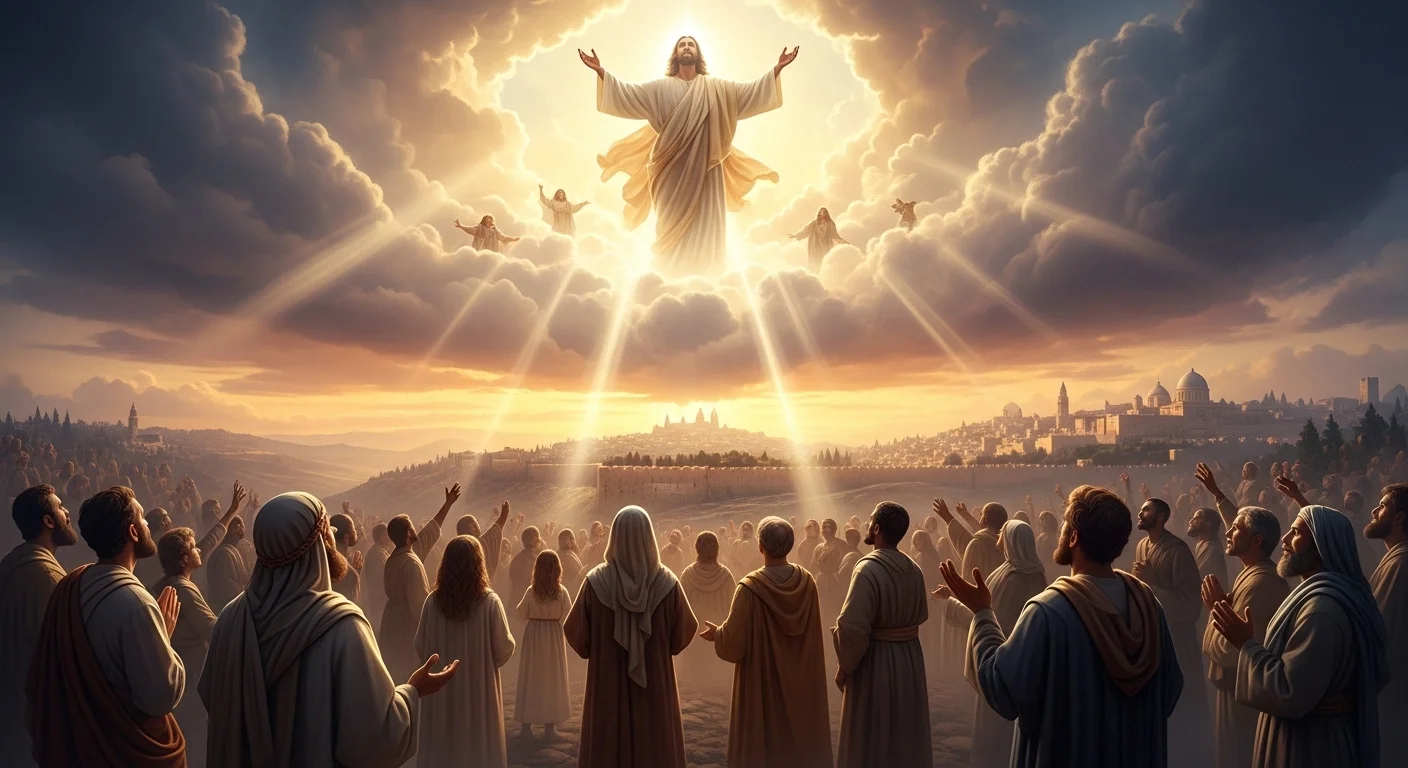
Biblical meaning: Refers specifically to the future return of Jesus Christ to Earth.
Theological significance: Symbolizes the fulfillment of God’s promises, judgment, and the establishment of God’s kingdom.
Modern usage: Occasionally used in sermons, theological discussions, and Christian literature to describe the second coming or divine presence.
Key point: In Christianity, parousia is central to eschatology—the study of end times.
Historical & Biblical Context
The word parousia appears in the New Testament in several passages, especially in the writings of Paul.
Early Christians used it to describe the awaited return of Christ.
The concept emphasizes hope, preparation, and accountability for believers.
Common biblical references include:
Matthew 24:27: “For as lightning comes from the east and shines as far as the west, so will be the coming of the Son of Man.”
1 Thessalonians 4:16-17: “For the Lord himself will descend from heaven…”
How “Parousia” is Used Today
Church teachings & sermons: Discussing the second coming of Christ.
Theological studies: Analyzing eschatology and biblical prophecy.
Christian literature & blogs: Exploring divine presence and future events.
Bible study groups: Preparing believers for spiritual readiness.
Appropriate use:
Religious and academic contexts discussing Christian theology.
Awkward use:
Casual conversations where the concept is unfamiliar.
Misinterpreting it as a generic term without spiritual meaning.
Real-Life Examples of “Parousia” in Sentences
“Many theologians study the signs of the parousia to understand end-time prophecy.”
“The early Christians eagerly awaited the parousia of Christ.”
“Sermons about the parousia remind believers to live righteously.”
Common Mistakes & Misunderstandings
Confusing it with general arrival: Parousia specifically refers to Christ’s second coming, not any presence or arrival.
Using it casually: Best reserved for theological or biblical contexts.
Assuming exact timing: Christianity teaches that the timing of parousia is unknown, so it should not be interpreted literally as a calendar date.
Related Terms & Concepts
Second Coming: Another term for parousia.
Eschatology: Study of the end times in theology.
Rapture: Believed by some denominations to occur before or during parousia.
Christ’s return: Synonymous with parousia in Christian teachings.
Judgment Day: Connected concept regarding accountability at parousia.
Platforms Where “Parousia” is Commonly Discussed
Church sermons & Bible studies: Central topic in Christian worship and teaching.
Religious blogs & podcasts: Explaining prophecy and theology.
Academic journals: Theology, religious studies, and biblical scholarship.
Christian forums & social media groups: Debating interpretations and signs of parousia.
How to Describe “Parousia” to Others
“It’s the second coming or future arrival of Jesus Christ.”
“In Christian theology, parousia signifies God’s promise being fulfilled.”
“It reminds believers to stay faithful and spiritually prepared.”
How to Respond if Someone Mentions “Parousia”
In a theological discussion: “Yes, the parousia is a central topic in eschatology.”
Casual conversation: “It refers to Christ’s return according to Christian belief.”
Bible study: “Understanding parousia helps us grasp the hope of God’s kingdom.”
When Not to Use “Parousia”
As casual slang or humor—it’s a sacred term.
In unrelated secular conversations without context.
As a generic word meaning “arrival” or “presence.”

Why Knowing Parousia Matters in 2026
Deepens understanding of Christian theology and biblical prophecy.
Helps in religious education, Bible studies, and spiritual discussions.
Allows accurate interpretation of church teachings, sermons, and religious literature.