
What Does Restrain Mean?
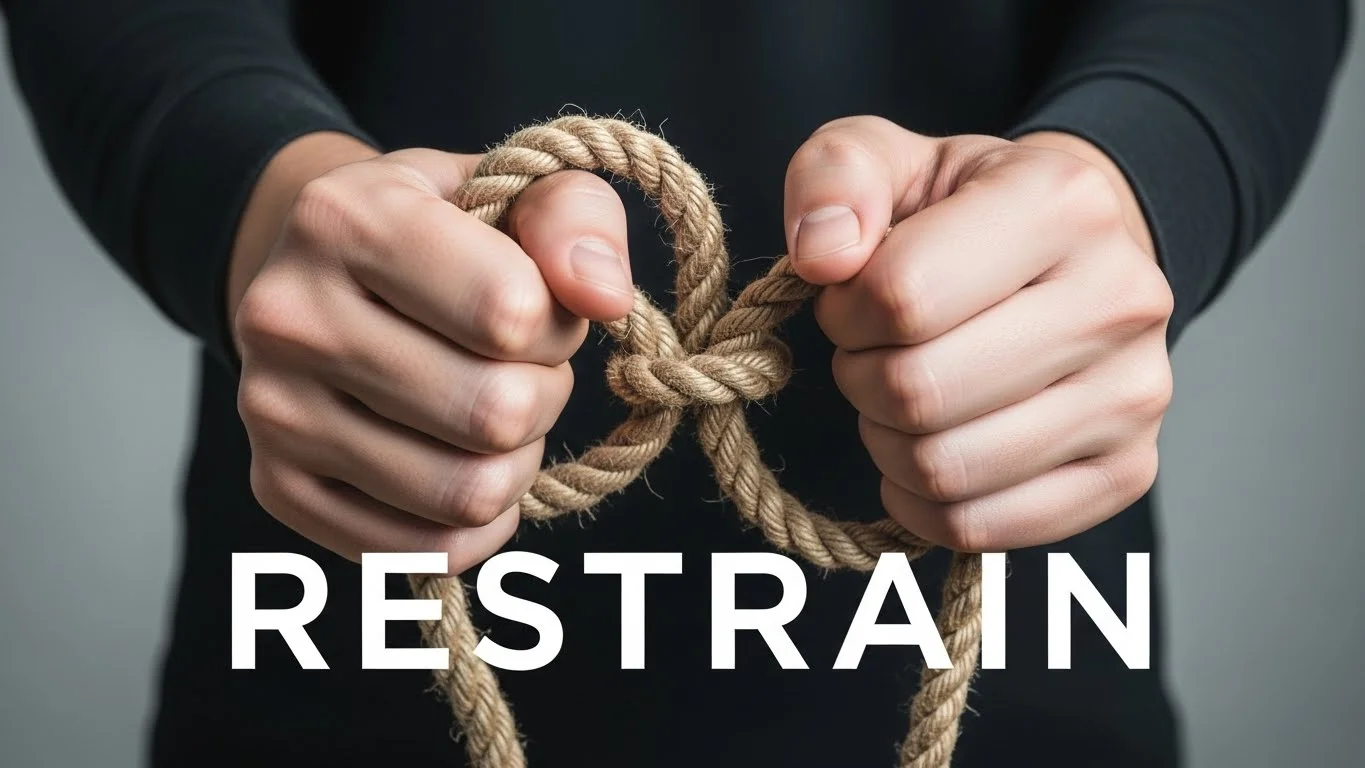
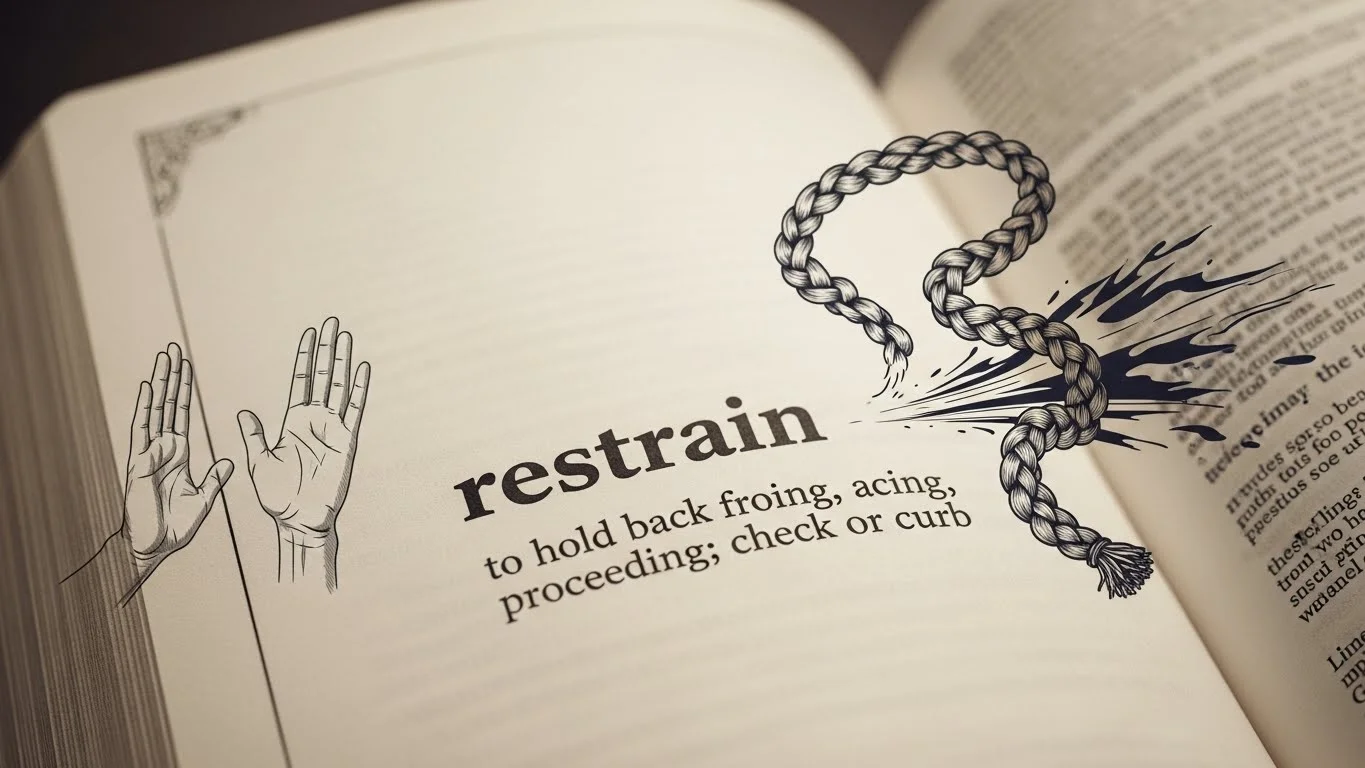
Restrain means to stop, control, or limit someone or something from acting freely.
It often involves:
Holding back
Preventing an action
Controlling emotions, behavior, or movement
Restrain Meaning in Simple English
In easy words:
Restrain = stop yourself or someone else from doing something
It can be:
Physical
Emotional
Mental
Behavioral
How the Word Restrain Is Used
The word restrain is commonly used when talking about control or limits.
People use it to describe:
Controlling anger or emotions
Preventing harmful actions
Holding someone back physically
Limiting power or authority
Examples of Restrain in Sentences
He tried to restrain his anger during the argument.
The police had to restrain the suspect.
She could not restrain her excitement.
Parents must sometimes restrain their children for safety.
Each example shows control or limitation.
Restrain vs Control
Although similar, they are not exactly the same.
Restrain
Means holding back or limiting temporarily
Control
Means having full power or authority
Restrain is often short-term or situational, while control is broader.
Emotional and Mental Restraint
Restrain is often used for emotions.
Examples:
Restrain anger
Restrain laughter
Restrain fear
This means managing feelings instead of acting on them.
Physical Restraint Meaning
Physical restraint means:
Holding someone
Preventing movement
Used for safety or security
It is commonly mentioned in:
Law enforcement
Medical care
Emergency situations
Is Restrain Positive or Negative?
It depends on the situation.
Positive use:
Restraining anger
Restraining harmful behavior
Restraining violence
Negative use:
Unfairly restraining freedom
Over-restraining someone
Context decides the tone.
Common Mistakes With Restrain
Using restrain when you mean punish
Using restrain instead of control
Using restrain without an object
Correct example:
He restrained himself.
Incorrect example:
He restrained.
Synonyms of Restrain
Hold back
Limit
Prevent
Suppress
Restrict
Each synonym has a slightly different tone.
Opposite of Restrain
Encourage
Allow
Free
Release
These words show lack of limitation.
Restrain in Modern Usage (2025)
In 2025, restrain is commonly used in:
Mental health discussions
Parenting advice
Legal news
Self-control and discipline topics
It reflects emotional intelligence and responsibility.

Why Understanding Restrain Matters
Knowing the meaning of restrain helps:
Improve communication
Express emotions better
Understand news and books
Speak more confidently in English