
What Does Imprint Mean?
At its simplest, imprint means a mark, impression, or influence left on something.
It can be used in several contexts:
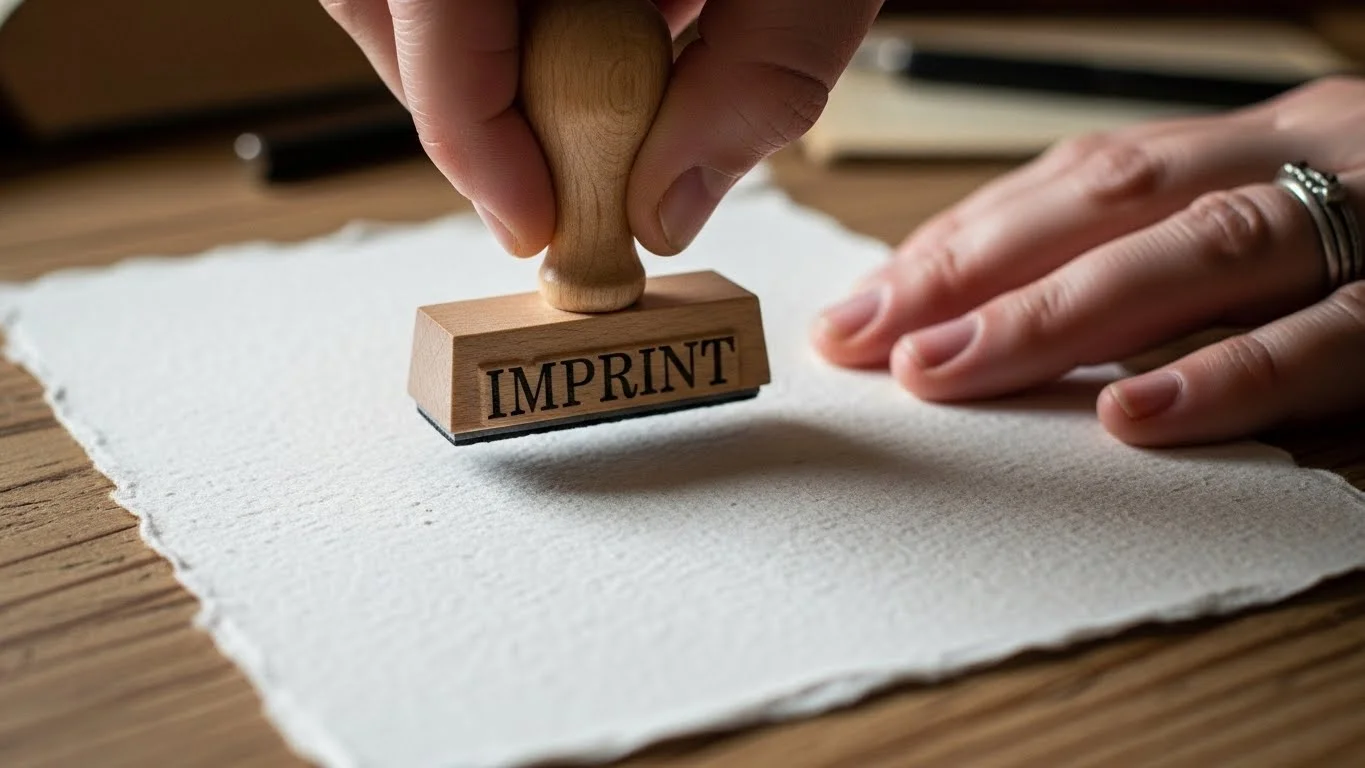
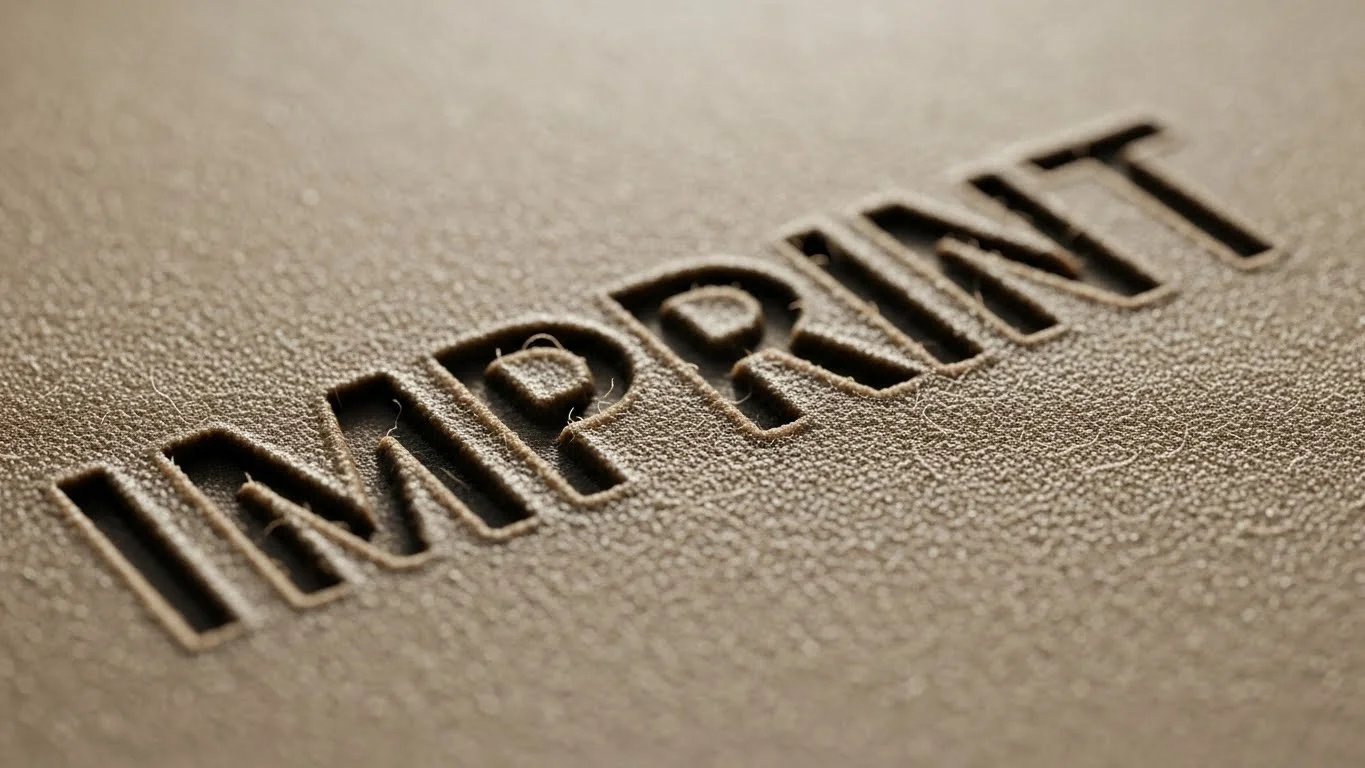
Physical: A mark left on a surface (like a footprint or stamp)
Psychological: A lasting memory or emotional influence
Symbolic/Spiritual: Something that leaves a permanent effect on the soul or life
Examples:
“The coin left an imprint on the clay.”
“Her words made a lasting imprint on his heart.”
Key idea: Imprint = a mark or effect that remains after contact.
Imprint Meaning as a Verb
When used as a verb, imprint means to make a lasting mark, impression, or memory.
Physical: “The teacher imprinted the rules in students’ minds.”
Emotional: “The trip to the mountains imprinted memories she will never forget.”
Symbolic: “His kindness imprinted a deep lesson on her soul.”
The focus is on creating something lasting, either tangible or intangible.
Imprint in Psychology
In psychology, imprinting has a special meaning:
Definition: A form of rapid learning in young animals where certain behaviors or recognition patterns are established permanently.
Example: Ducklings follow the first moving object they see after hatching — usually their mother.
In humans, psychological imprinting refers to lasting emotional or behavioral patterns formed during early childhood experiences.
Early experiences can imprint values, fears, or habits.
Significant events leave mental or emotional imprints that influence life.
Imprint Meaning in Literature
Writers often use imprint metaphorically:
“The war left an imprint on the city’s soul.”
“Her smile imprinted a memory that lasted a lifetime.”
Here, imprint conveys lasting influence or the power of an event, person, or emotion.
Physical vs Psychological Imprint
Physical imprint:
Visible marks, shapes, or impressions
Example: A shoe leaves an imprint on sand
Psychological imprint:
Emotional or mental marks left by experiences
Example: Childhood lessons imprinted values that last a lifetime
Understanding the difference helps in interpreting the word accurately.

Imprint in Branding and Business
In business, imprint can mean:
A logo or brand mark on a product
A publishing imprint (name of publisher under which books are released)
Example:
“The company’s logo is imprinted on all packaging.”
“This book was released under the Penguin Random House imprint.”
It represents identity, authenticity, and lasting recognition.
Spiritual and Symbolic Imprint
Spiritually, imprint is sometimes used to describe lasting effects of experiences or actions on the soul or life path:
Life lessons leave spiritual imprints
Positive actions can imprint blessings
Negative experiences may imprint challenges or fears
The idea: what we encounter leaves a lasting mark beyond the physical realm.
Real-Life Examples of Imprint
Example 1: “The child’s laughter imprinted happiness in everyone around.”
Example 2: “The coin imprinted a perfect circle on the soft clay.”
Example 3: “Her first teacher imprinted discipline in her daily habits.”
Example 4: “Traveling abroad imprinted unforgettable memories in his mind.”
Example 5: “Generosity imprints positivity in communities.”
Common Misunderstandings About Imprint
Imprint is not always physical: It can be emotional, mental, or spiritual.
It’s not temporary: The word implies a lasting effect.
It doesn’t always require intention: Even unintentional actions can leave an imprint.

Imprint in Modern Context (2025)
In 2025, the term imprint is widely used:
Social media: “This video left an imprint on my mind.”
Marketing: “Brand imprinting builds lasting recognition.”
Psychology: “Early digital experiences imprinted habits in Gen Z.”
The term is versatile, applying to personal, professional, and technological contexts.