
Stimulus meaning in English
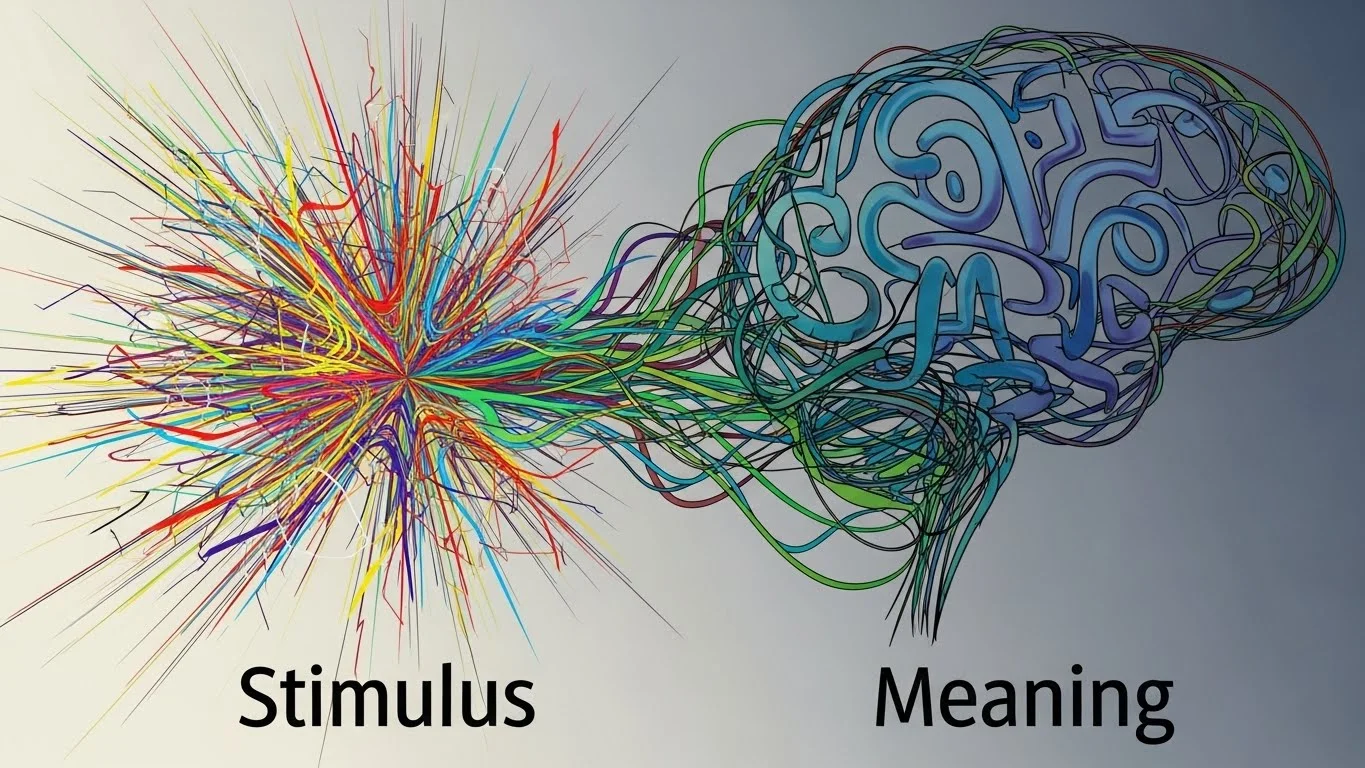
In English, stimulus means:
Anything that causes a reaction or response.
It can be:
-
an event
-
an object
-
a sound
-
a change
-
an action
If something makes you react, move, think, feel, or respond, that thing is called a stimulus.
Stimulus meaning in biology
In biology, stimulus is something that causes a living organism to react.
Examples:
-
light makes plants grow toward it
-
touching a hot object makes you pull your hand back
-
loud noise makes you turn your head
The reaction to stimulus is called response.
Stimulus meaning in psychology
In psychology, stimulus is anything that affects the mind or behavior.
It can be:
-
fear
-
love
-
stress
-
motivation
-
reward
-
punishment
Psychologists study how the brain and behavior change after a stimulus is given.
Stimulus meaning in economics
In economics, stimulus refers to actions taken by the government to improve the economy.
Examples include:
-
stimulus package
-
stimulus checks
-
tax cuts
-
financial support
Purpose is to increase spending, jobs, and economic growth.
Physical and sensory stimulus
A stimulus can also be something that affects human senses like:
-
sight
-
sound
-
smell
-
taste
-
touch
Examples:
-
perfume smell
-
bright light
-
spicy food
-
loud music
These things trigger reactions in the body.
Emotional stimulus
Emotional stimulus is anything that affects your feelings.
Examples:
-
kind words
-
sad movie
-
happy news
-
bad memories
These cause emotional reactions like happiness, sadness, anger, or excitement.
Environmental stimulus
Environmental stimulus comes from surroundings.
Examples:
-
weather change
-
temperature
-
daylight
-
noise
-
pollution
These can affect mood, behavior, and physical condition.
Stimulus in education and learning
In learning, stimulus refers to something that encourages the brain to think or study.
Examples:
-
interesting lessons
-
visuals and diagrams
-
questions from teacher
-
rewards for good work
Good stimulus improves focus and memory.
Stimulus and response relationship
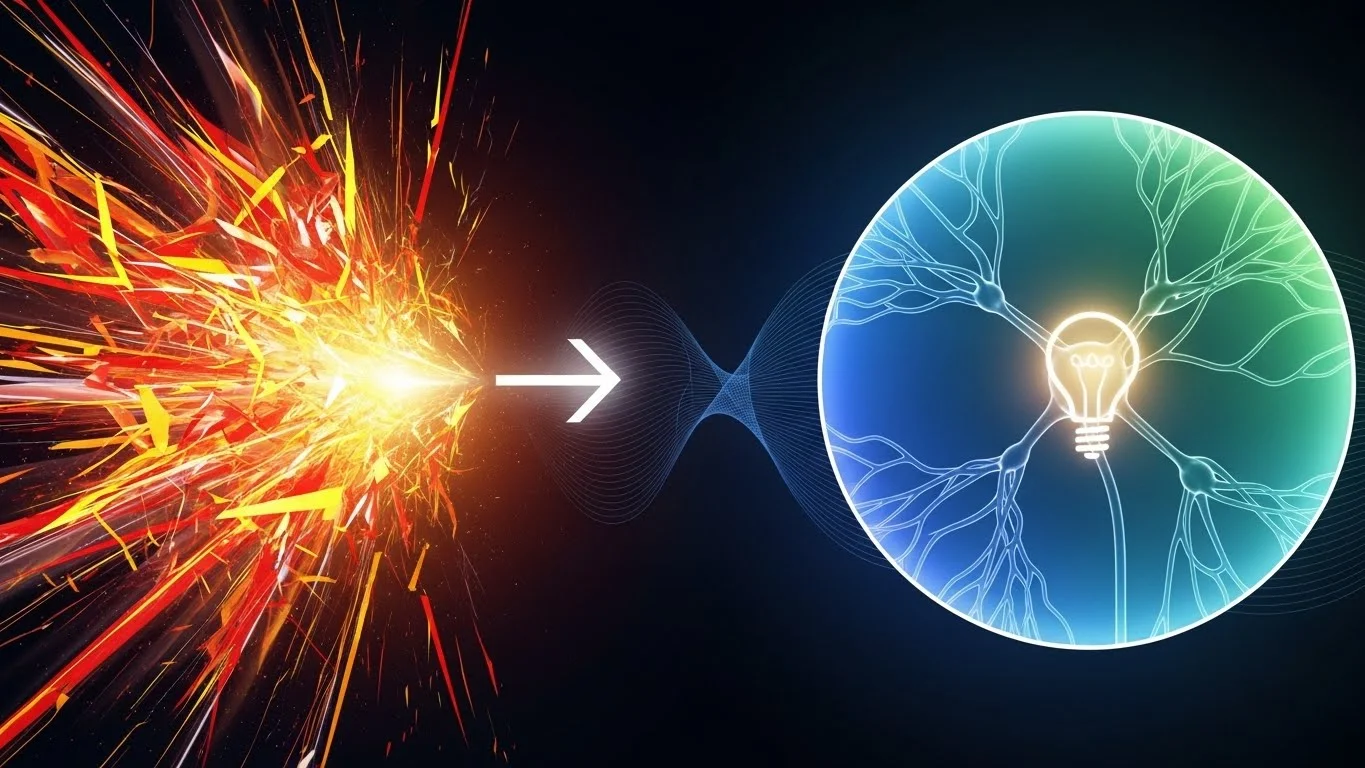
Every stimulus leads to some type of response.
Simple idea:
Stimulus → Reaction or Response
For example:
-
tickling causes laughter
-
pain causes withdrawal
-
compliment causes smile
This relationship is central in biology and psychology.
Positive and negative stimulus
Stimulus can be positive or negative.
Positive stimulus:
-
reward
-
appreciation
-
success
Negative stimulus:
-
punishment
-
scolding
-
pain
Both change behavior in different ways.
Stimulus meaning in medicine
In medicine, a stimulus can be something that activates body systems such as:
-
drugs
-
electric shocks
-
chemicals
-
heat and cold
Doctors sometimes use controlled stimulus to test body responses.
Common daily life examples of stimulus
Daily life is full of stimulus, such as:
-
alarm clock sound wakes you up
-
mobile notification makes you check phone
-
hunger makes you eat
-
tiredness makes you sleep
All these events trigger responses automatically.