

What Does Dysgeusia Mean?
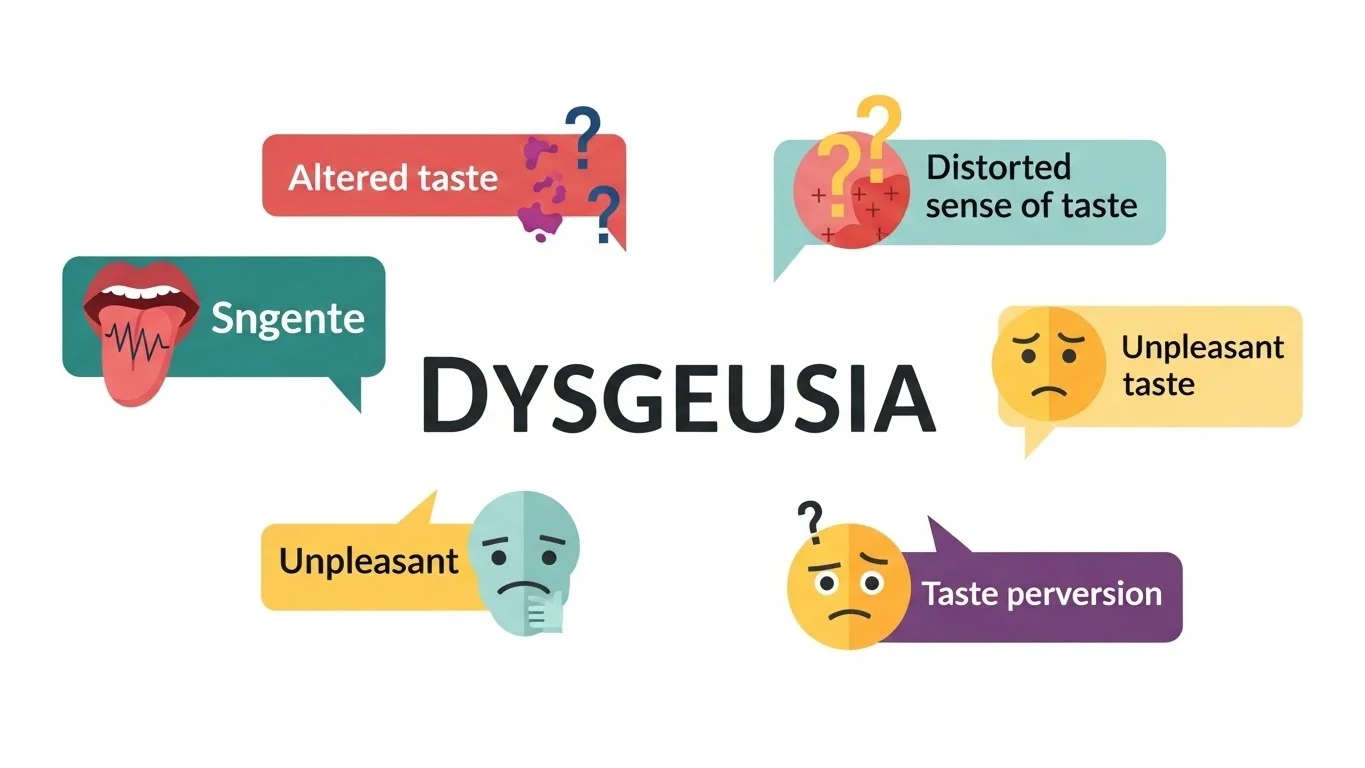
Dysgeusia means a distortion or alteration of the sense of taste.
In simple terms, it’s when things don’t taste the way they should. Food or drinks may taste:
Bitter
Metallic
Sour
Rotten
Or just “off”
Sometimes, people experience a bad taste even without eating anything.
The word comes from medical terminology and is commonly used by doctors and dentists.
Dysgeusia Meaning in Medical Terms
In medical language:
“Dys” means abnormal or disordered
“Geusia” relates to taste
So, dysgeusia = abnormal taste perception.
It’s different from completely losing taste. Instead, taste is still present — but distorted or unpleasant.
What Does Dysgeusia Feel Like?
People describe dysgeusia in different ways, but common sensations include:
Constant metallic taste
Bitter taste in the mouth
Food tasting bland or wrong
Sweet foods tasting unpleasant
Lingering bad taste after meals
The feeling may be:
Temporary
Intermittent
Or persistent throughout the day
Common Causes of Dysgeusia
Dysgeusia can have many causes, ranging from mild to medical.
Common causes include:
Medications (especially antibiotics, chemotherapy drugs)
Dental problems or oral infections
Poor oral hygiene
Smoking or tobacco use
Acid reflux (GERD)
Respiratory infections
COVID-19 or post-viral effects
Vitamin or mineral deficiencies (like zinc)
The cause often determines how long dysgeusia lasts.
Dysgeusia and Medications
One of the most common triggers of dysgeusia is medication side effects.
Drugs that may cause taste changes include:
Antibiotics
Antidepressants
Blood pressure medicines
Cancer treatments
Antihistamines
In many cases, the taste returns to normal once the medication is stopped or adjusted.

Dysgeusia vs Ageusia vs Hypogeusia
These terms sound similar but mean different things.
Dysgeusia: Distorted or unpleasant taste
Ageusia: Complete loss of taste
Hypogeusia: Reduced sense of taste
Understanding the difference helps avoid confusion when reading medical information.
Dysgeusia in Daily Life
Dysgeusia can affect more than just taste.
It may lead to:
Loss of appetite
Weight changes
Reduced enjoyment of food
Nausea
Emotional frustration
For some people, eating becomes stressful instead of enjoyable.
Is Dysgeusia Serious?
In most cases, dysgeusia is not dangerous and improves once the underlying cause is treated.
However, it can be serious if:
It lasts for weeks or months
It comes with pain or mouth sores
It follows a head injury
It affects nutrition significantly
Persistent symptoms should always be checked by a healthcare professional.
How Dysgeusia Is Diagnosed
Doctors may diagnose dysgeusia by:
Reviewing medical history
Checking medications
Examining the mouth and tongue
Blood tests for deficiencies
Referring to an ENT specialist if needed
There is no single test — diagnosis depends on symptoms and causes.
Can Dysgeusia Be Treated?
Treatment depends on the cause.
Possible approaches include:
Treating infections
Adjusting medications
Improving oral hygiene
Managing acid reflux
Supplementing vitamins if deficient
Quitting smoking
In many cases, taste returns gradually over time.
Why Dysgeusia Is More Talked About in Recent Years
Dysgeusia gained attention because:
Increased awareness of taste disorders
Post-viral taste changes
COVID-related sensory discussions
Better medical reporting
More people now recognize taste changes as a real medical issue.